 13 hours ago
2
13 hours ago
2

It is sometimes, amusingly, known as “bacon neck”, and it is the bane of my life: the loss of elasticity that results in a crinkly, ill-fitting collar. This undulating menace commonly befalls the classic crew-neck T-shirt or sweatshirt, but scoop, polo and V-necks can also be afflicted. Too often, science conspires to transform a smooth neckline into something resembling a failed polygraph test.
The term “bacon neck” (not to be confused with “turkey neck”, the disparaging phrase for sagging skin that is almost uniformly levelled at women) was coined, or at least popularised, in a 2010 Hanes commercial featuring the basketball star Michael Jordan. In the clip, Jordan’s seat-mate points out a fellow plane passenger’s worn-out collar: “See how it’s all curled up like bacon in a pan? See how bad this guy looks?”

But this sartorially debilitating condition has been around for much longer. Marlon Brando was not immune. Diana, Princess of Wales couldn’t fight it. And neither could T-shirt king James Dean (although that is possibly because he kept doing this in photoshoots). And can we be absolutely certain that Mary Poppins’s Gibson girl blouse wasn’t, in fact, just an H&M number gone to seed?
Like Meryl Streep at the Oscars, bacon neck is a perennial threat. Put simply, a collar becomes warped when the fabric’s elastic fibres break down. Heat, moisture and chucking them in the washing machine are all to blame.
“The knitted structures of the neckline are not perfectly elastic,” says textile expert Ningtao Mao at the University of Leeds. “Unrecoverable stretch deformations occur with each repeated stretch – and the accumulated elongation of the neckline makes it much longer than the edge of the T-shirt body, creating a wavy effect.”

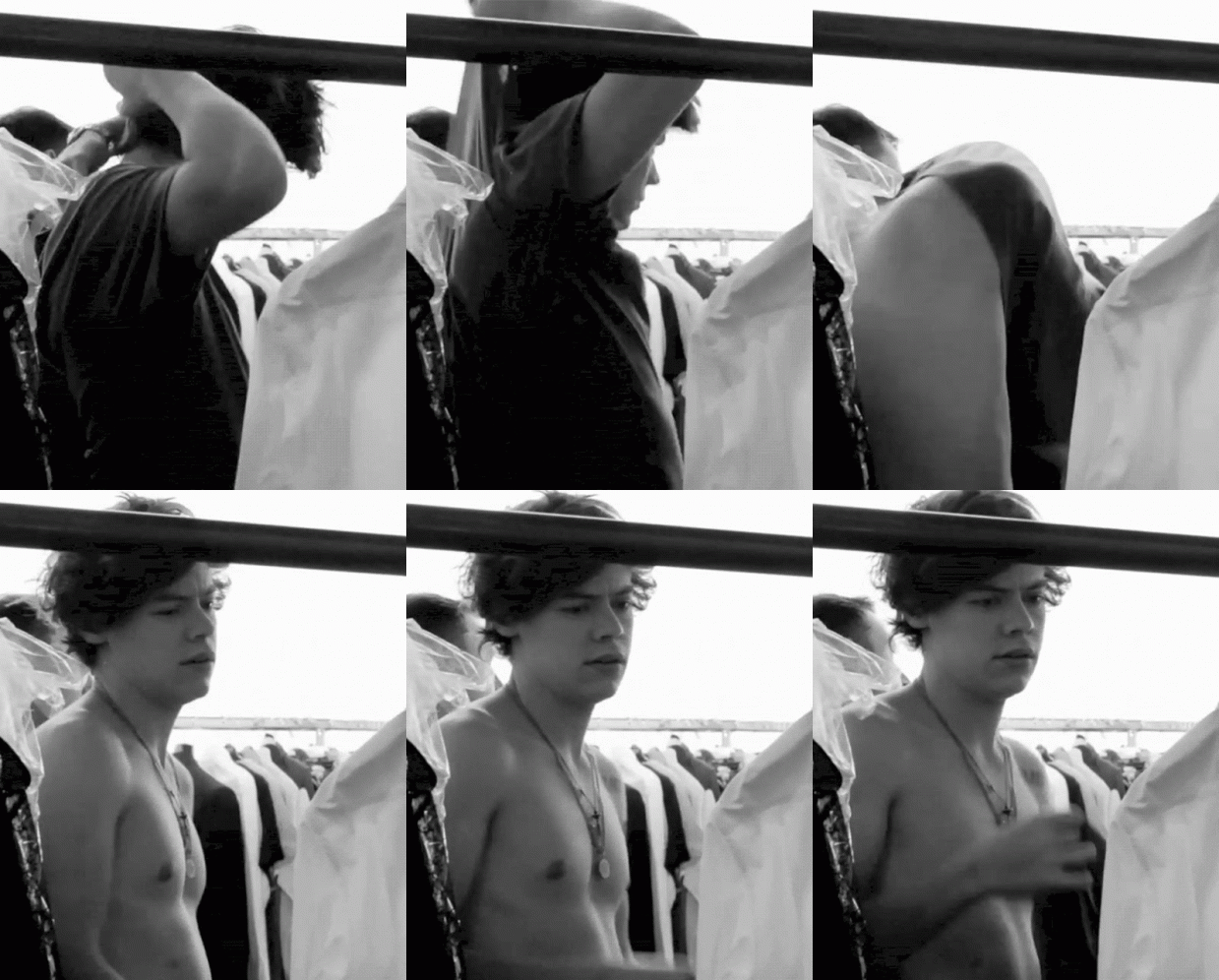
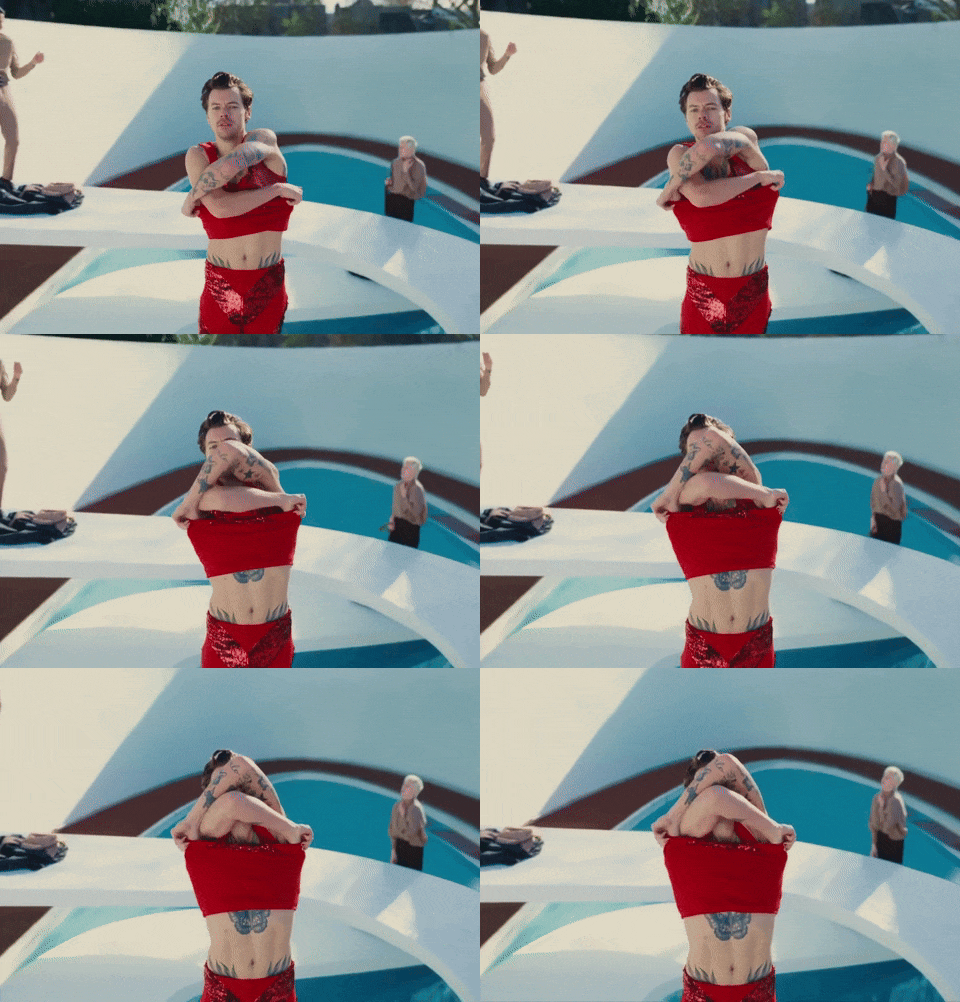
This kind of mechanical stress includes the act of pulling a shirt over one’s head, which is unavoidable. But there are ameliorating techniques. For instance, Mao says not to pull a T-shirt off by the neck. Instead, when disrobing, cross your forearms and lift from the bottom hem, like Jeremy Allen White in that Calvin Klein advert. Here is Harry Styles pulling off a T-shirt the wrong way, practically asking for a giant portion of bacon neck. And here is Harry Styles after he read this article. Oh, and never pull at the collar of your shirt like an anxious cartoon character.
Mao also cautions against an “aggressive washing process”, in which garments are tossed and twisted on high-spin cycles. Machines that use an impeller – a low-profile cone or disc that rotates – are gentler than traditional agitator models, while putting clothing in mesh laundry bags can also reduce friction. And try not to overload the drum.
Temperature is also a key factor. Mao suggest washing T-shirts below 40C or, even better: hand wash in cold water. If ironing, do it on a low heat but leave a T-shirt to air-dry on a flat surface. “Don’t hang wet collars by the neckline,” he says. And don’t wring them out, either.
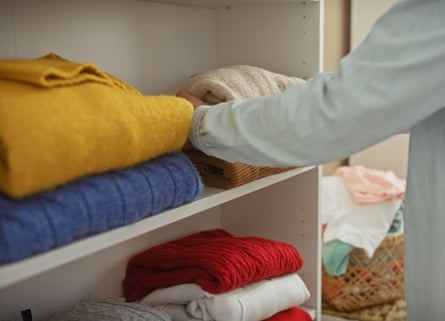
As for storage, folding is the best bet, and hanging isn’t ideal but is sometimes preferable. As stylist and consultant Rachael Bundu, who works in luxury fashion, astutely points out: “Folding is better, but it also means you have to iron or steam [T-shirts] and I don’t have time for that; I hang mine.”
If you opt for Bundu’s method, use sturdy wooden or padded hangers, rather than wire. Most importantly, she says: “Put the hanger through the bottom of the tee, never the neck.”
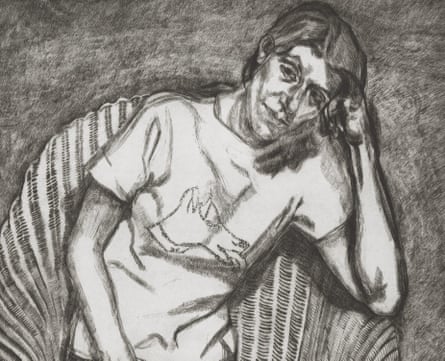
Material also makes a difference in the durability of your shirts. Often, people assume that 100% cotton, with a high GSM count (grams per square metre) is the definition of a luxury tee. But while thicker, high-GSM count cotton is best for the shirt body, a bit of elastane (AKA spandex) will give collars a bit of snap.
“Collars frequently are made of elastic yarns, which usually contain 2-5% of elastane filaments. This delays and reduces the occurrence of bacon neck significantly,” says Mao. So although expensive shirts and sweaters made from premium natural fabrics might seem less susceptible to ruching, a little synthetic fibre can help with shape retention and recovery.
As for brands, I recommend Uniqlo for shirts heavyweight box tees. And a limited but chic sample (my girlfriend’s closet) reveals Varley’s Leighton Tee – a modal, cotton and elastane blend – to be the stiffest among its competition. A vote for Cos’ oversized range comes from Bundu, the stylist. Sunspel, Arket and Carhartt also have necklines that are less likely to pucker like Donald Trump’s mouth.
And while prevention is better than cure, how does one deal with a bacon-necked vintage number not ready to be demoted to nightwear? Well, there are plenty of subreddits, Tik-Tok videos and YouTube tutorials purporting to help. One popular method seems to consist of dipping the shirt neck into boiling water, which I would not recommend because: a) physics and chemistry (see above); b) my fear of being sued. The fibres – and only if they are natural ones – might shrink in shock, which could further damage the fabric.
Instead, Mao recommends steaming the neckline on a low heat. Others recommend folding the already oscillated neckline into pleats, then soaking it in ice water and manipulating the shape by hand while it is still damp. The dextrous among us might open the back seam of the collar and thread through a fresh piece of elastic. Or, to go full DIY, you could remove the collar completely by cutting the stitches, trimming the excess material, and resewing.
As a last resort, there is always the carefully positioned scarf, or a roll-neck tank top. Now, in other business: does anybody know how to stop a beanie from riding up?
To read the complete version of this newsletter – complete with this week’s trending topics in The Measure and your wardrobe dilemmas solved – subscribe to receive Fashion Statement in your inbox every Thursday.









 English (US)