
 2 days ago
5
2 days ago
5

Esme StallardClimate and science reporter

 Getty Images
The UK is to increase testing for so-called "forever chemicals" as part of a national plan to tackle the substances, which have prompted environmental and health concerns.
The chemicals, also known as PFAS, are used in many everyday products because of their waterproof properties, but those propertise also mean they accumulate rather than break down in water, soil and animals.
There is limited data on the presence and impacts of all PFAS, which number a few thousand, but some are known to be toxic and carcinogenic.
The government says that by 2029 it wants to align more closely with regulations issued by the EU, which is looking to prohibit all non-essential uses.
Forever chemicals are "one of the most pressing chemical challenges of our time", Environment Minister Emma Hardy said as she launched the plan.
"It's crucial that we protect both public health and the environment for future generations. Through our PFAS Plan, we will act decisively to reduce their harmful effects while transitioning to safer alternatives," she said.
The substances have incredibly strong bonds which giving them properties such as being water-resistant and oil-resistant and they are cheap to manufacture.
They are now ubiquitous in our everyday lives, used for example in school uniforms, medication casings and hydrogen production.
These are some of the other household products they can be found in:
- Cosmetics and skin creams
- Food packaging including microwave popcorn bags
- Baking equipment and frying pans
- Dishwasher rinse aid
- Polish for cars and floors
But these chemicals also find their way into the environment with potentially harmful consequences.
"PFAS are very persistent in the environment, they are also bioaccumulative and they are also known to be toxic, those three things together gives our rise for concern about chemicals in the environment," said Dr Liz Chadwick, senior lecturer in biosciences at Cardiff University.
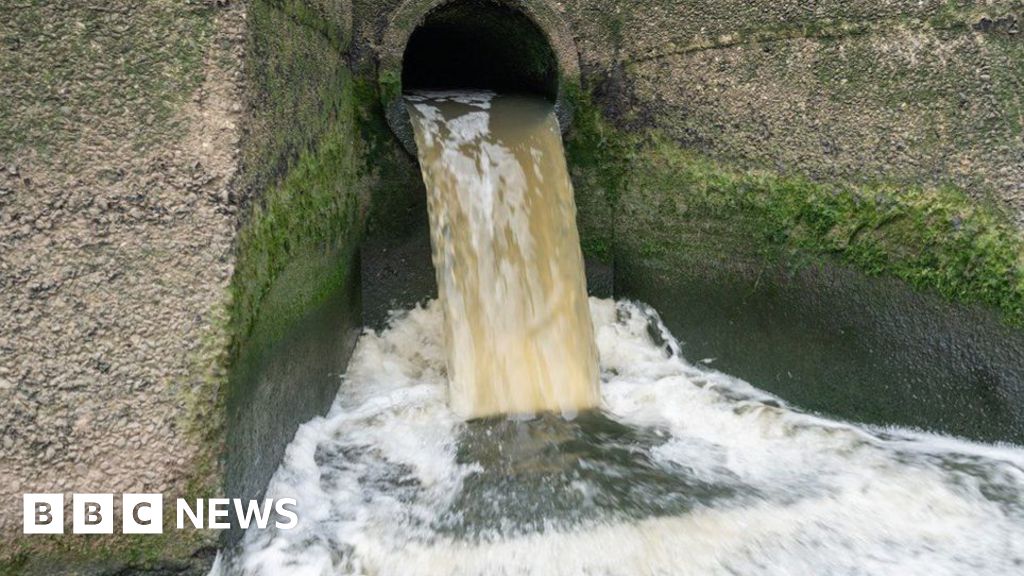
She said the chemicals leak out from manufacturing, washing our clothes or products with PFAS, as well as from the spread of waste sludge from water treatment works onto agricultural fields.
 Tony Jolliffe/BBC News
Some clothing brands are trialling alternative chemicals to PFAS that produce the same waterproof properties
The plan centres around three key aims:
- increasing knowledge of where the most harmful PFAS are turning up
- how their use in everyday products can be reduced
- working with industry to look for alternatives
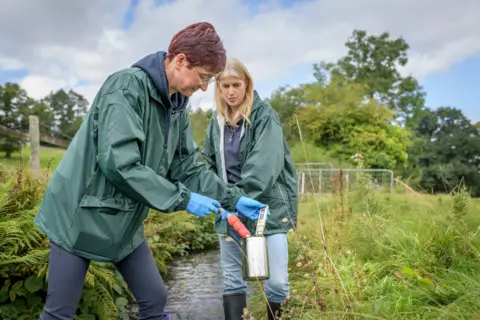
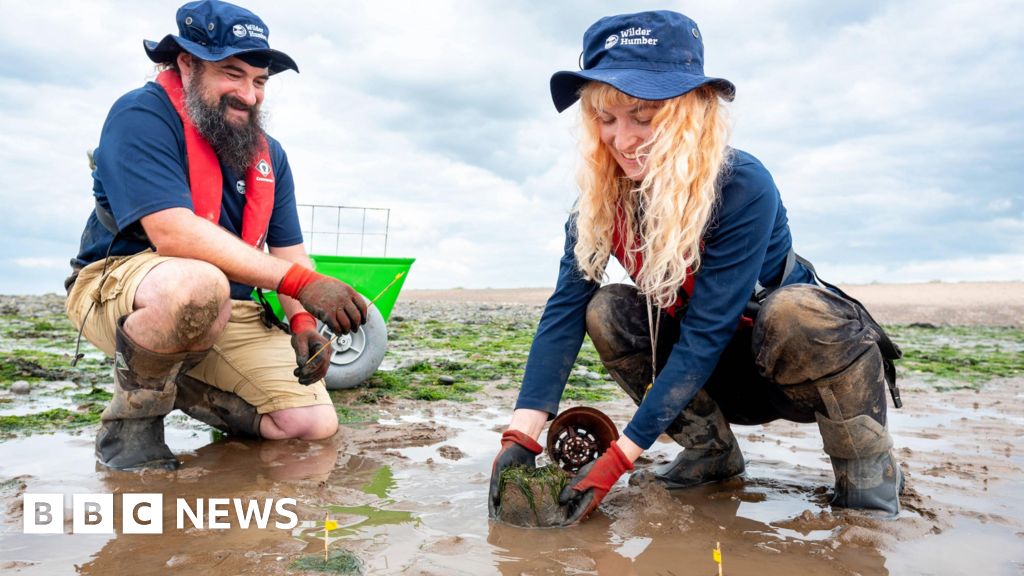
The number of water samples tested for PFAS will be increased by 50% across Scotland and Wales, whilst animals in coastal areas of England and soils in five priority areas will be tested to identify hotspots.
The plan has been welcomed by environmental charities and scientists but there is disagreement about whether further research is needed before restrictions are put in place.
"More research, more monitoring is important, but that should not come before regulating them at the source. We should not be waiting for people to start showing adverse impacts before we take action," said Dr Shubhi Sharma, scientific researcher at environmental charity Chem Trust.
She has said that the government should take a "precautionary principle" approach, where the use of a chemical is stopped if the potential harm could outweigh the benefits - considering the emerging risks of some PFAS.
Earlier this year the World Health Organization raised significant concerns, about two specific PFAS. It classified PFOA as carcinogenic, and PFOS as possibly carcinogenic - increasing the risk of thyroid, testicular and kidney cancers. Both substances are already banned in the UK.
Although the new plan does not include a commitment to banning PFAS the government has said that the UK will "more closely align" by December 2028 with EU regulation - which is proposing a universal ban of the chemicals unless they are proven essential for society.
Closer alignment with the EU could help to speed up future regulation of PFAS, said Stephanie Metzger, policy adviser at the Royal Society of Chemistry.
"Our regulators after Brexit, obviously, have been quite overwhelmed and busy with adapting to the changes that Brexit has caused, and so it means that doing this sort of in-depth work has often been pushed back. And so I think this is a really positive step," she said.
 Hans Lucas_AFP/Getty Images
France has banned the use of PFAS in all products where an alternative exists after significant public protest
Some manufacturers have already gone PFAS-free but the cost to switch is expensive, said Debbie Reed, head of CSR at Equip Outdoor Technologies, which owns Rab and Lowe Alpine.
"It's challenging as our supply chains are complex, in an insulating jacket there are120 components. To make sure the products are PFAS-free we have to make sure the entire production line is cleaned," she said.
Reed said trying to meet different regulations is a "full time job" and alignment with the EU would be welcomed as it could drive down time and costs, making products more accessible for consumers.
But the water industry thinks the government should go much further and ban the chemicals completely.
Currently water companies have to regularly test for the 48 most concerning PFAS and where levels are elevated treat the water supply. This is a costly endeavour and something the industry says it should not be responsible for.
"While this is a useful first step, the government needs to go much further. The problem with PFAS will only get worse until chemical companies are forced to stop their manufacture and sale and clean up the mess they've already created," said a spokesperson for industry body Water UK.
But the Chemical Industries Association has pushed back and said that while it is working to find alternatives to PFAS, it is not a quick process.
"Finding a suitable and viable alternatives that are environmentally better and provide the needed performance is a challenging task, often needing innovators to return to the drawing board in search of a potential replacement," said the trade body's spokesperson.
Additional reporting Becki Bowden and Tom Ingham.







 English (US)