
 3 hours ago
5
3 hours ago
5

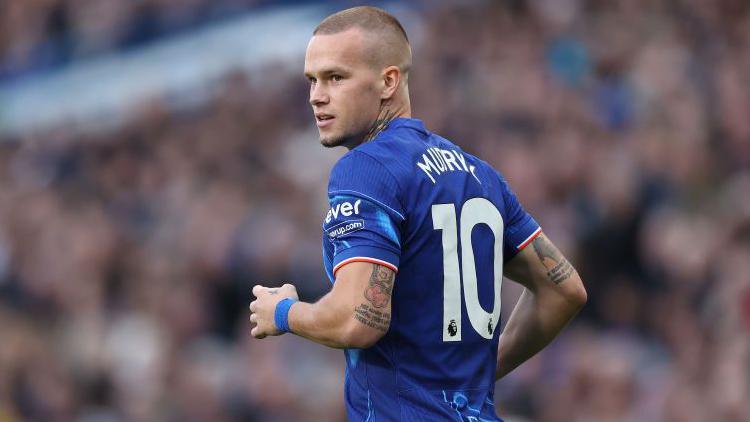
Mykhailo Mudryk hasn't played for Chelsea since November 2024
ByDaniel AustinBBC Sport senior journalist and Nizaar KinsellaFootball reporter
When news broke that Chelsea winger Mykhailo Mudryk has begun an appeal against a four-year doping ban, many football fans' immediately asked, what ban?
That is because the Football Association, who issued the ban to the Ukraine international because of an "adverse finding in a routine urine test", never announced its decision or any details of the punishment in public.
The news only became common knowledge on Wednesday because the Court of Arbitration for Sport (Cas) announced Mudryk had taken the decision to appeal against the ban.
So why has the process been kept secret and what happens now?
When was Mudryk banned and why the secrecy?
BBC Sport has been told Mudryk was banned by the FA in January but that only a close-knit group of people around him and a small number of people at Chelsea were informed.
That is because the FA's anti-doping programme is deemed strictly confidential - all parts of the process, from testing to discussions with lawyers, are carried out behind closed doors in order to respect the privacy of footballers.
UK Anti-Doping (Ukad) works in collaboration with the FA on the programme.
In many other sports, provisional bans for positive tests are announced publicly.
In its privacy policy for anti-doping, the FA says: "We will process sensitive personal data in carrying out processing. We do this for the purposes of eliminating doping in sport and protecting the integrity of the game.
"Data may be shared with a number of third parties. As well as sharing data with Ukad, information may be shared with the police where there is evidence of criminal conduct, with Uefa and Fifa and any other relevant event organisers and international federations with doping responsibility, as well as the World Anti-Doping Agency.
"Information about testing and outcomes may also be shared with your club."
Cases often only become public knowledge when a player has been absent from their team's playing squad for a period of time without proper explanation.
Outcomes and punishments are usually officially made public once the process has concluded but this may be delayed until any appeals have also been exhausted.
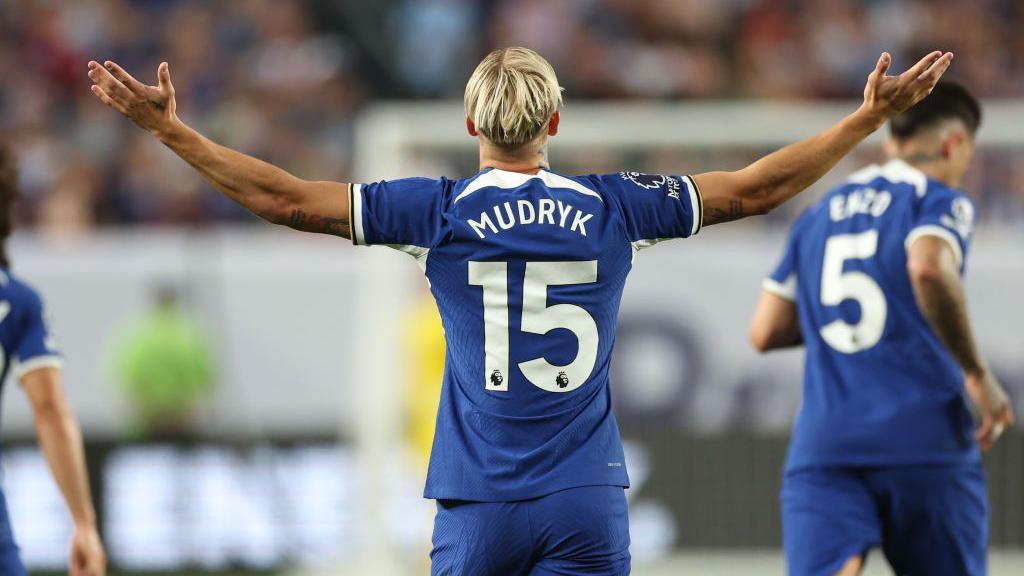
Mudryk scored 10 goals in 73 appearances for Chelsea between his arrival from Shaktar Donetsk and his suspension
What was Mudryk charged with?
The exact prohibited substance for which Mudryk tested positive has never been named by the FA, but BBC Sport understands it is the cardiovascular medication meldonium, which has the potential to increase respiratory capacity and stamina, which he came into contact with while on duty with the Ukraine national team.
Last year, a spokesperson for the Ukranian FA (UAF) told BBC Sport none of its staff were involved in the case.
"UAF officials cannot comment on this matter since the UAF is not a part of this case," it told BBC Sport.
"The World Anti-Doping Energy (Wada) or the English FA didn't send any request to the UAF.
"We are in close contact with Mudryk's lawyers and provide them with all necessary information. We cannot comment further as a non-disclosure provision is in effect."
It remains unclear how exactly Mudryk apparently ingested meldonium, which has been banned by Wada since 2016 and is primarily used in Eastern European countries to treat conditions such as angina, heart failure and coronary artery disease.
Tests at the 2015 European Games in Baku found that 13 medallists were taking the substance at the time and that its use occurred in the majority of the sports included in the tournament.
Wimbledon champion Maria Sharapova failed a drugs test in March 2016 after meldonium was detected in her sample.
Chelsea forward appeals ban
Is Mudryk still a Chelsea player and when can he return?
Mudryk has been suspended and unable to play for either Chelsea or Ukraine since the FA provisionally suspended him 16 months ago.
He remains contracted to the Blues until 2031, having signed a long deal when he joined for £61m in 2022, as part of the club's plan to amortise the cost of transfers and contracts.
Amortisation means spreading costs out over many years in order to reduce them in each year of a business' accounts.
If Mudryk's ban is upheld by Cas, he would be unable to play again until roughly December 2028, as that is four years since his provisional suspension began.
But if the ban were to be reduced by Cas, he could be back on the pitch in a much shorter timeframe. Sources close to the player believe he could be back in action as early as next season.
Chelsea would be able to terminate Mudryk's contract once the Cas process has concluded, given an anti-doping ban constitutes a breach of employment terms in most footballers contracts.
Were they to do that, the amortised cost of the remaining years of Mudryk's contract would disappear from the club accounts - effectively writing the expense off and helping their finances significantly.
On the other hand though, Chelsea would be entitled to sell Mudryk for some sort of transfer fee if they maintain his contract and keep paying his wages.
Or they could of course continue to pay his wages as a member of their squad and reintegrate him into the team once the ban has ended.
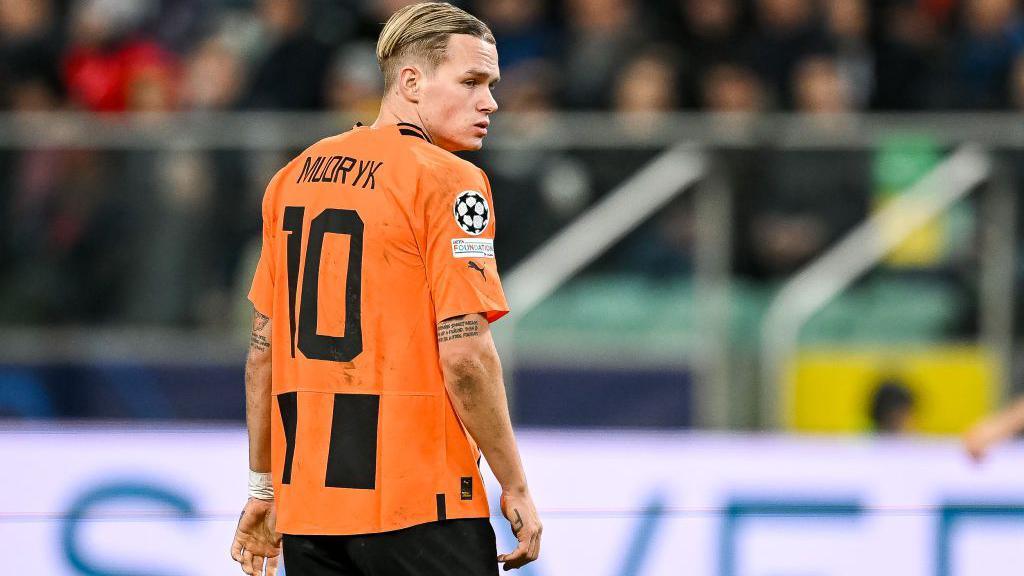
Chelsea agreed performance-related add-ons with Mudryk's former club Shakhtar Donetsk when they signed him, which the Ukrainian club may now miss out on due to his extended absence
What does Mudryk's ban stop him doing and where is he training?
Mudryk last played for Chelsea on 28 November 2024 and was an unused substitute for a league match three days later against Aston Villa.
He last made a public appearance after Chelsea's 4-1 Uefa Conference League final win over Real Betis, which he watched in a private capacity.
The 25-year-old met supporters when out walking with friends in the Polish city of Wroclaw and attended Chelsea's celebration party at the team's hotel.
Since then, Mudryk has remained in London though he is unable to play matches or even train alongside his team-mates.
Chelsea are tracking his progress but the terms of his suspension mean he is extremely limited in the access he is allowed to the club, its facilities and his team-mates.
The Ukrainian is training alone with a private coach at facilities including Uxbridge FC and has also hired goalkeepers for some sessions.
A devout Orthodox Christian, he frequently attends church and those around him insist he is in good physical and mental health.
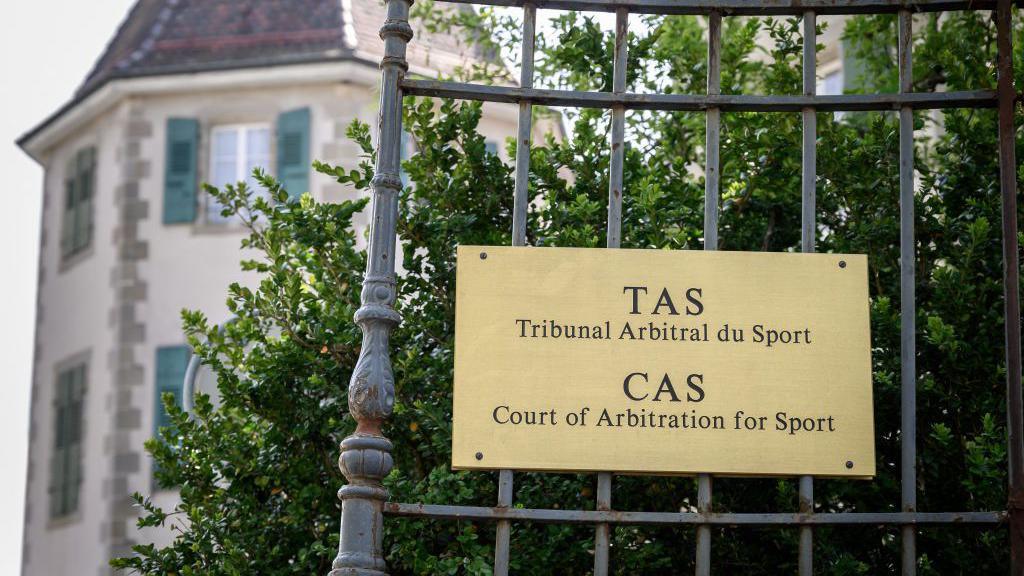
Cas was established as part of the International Olympic Committee in 1984
Mudryk lodged his appeal to Cas on 25 February.
Cas is based in Lausanne, Switzerland and is considered the international supreme court for sport, ruling on disputes as a neutral, independent body.
The court will re-examine the case, typically with a panel of three arbitrators who go over the evidence and can either uphold, overturn, or modify the ban given out by the FA.
The panel of arbitrators can call witnesses to give evidence, in person or via video link.
The process is conducted in private, before the arbitrators take time to consider their verdict.
In 2024, a four-year doping ban given to former Manchester United and Juventus midfielder Paul Pogba was reduced to 18 months after he appealed to Cas.
Pogba was represented by Morgan Sports Law, who are also representing Mudryk.
It was four months after Pogba lodged his appeal that a hearing was held and a further two months until a decision was announced.


 English (US)