
 1 day ago
7
1 day ago
7

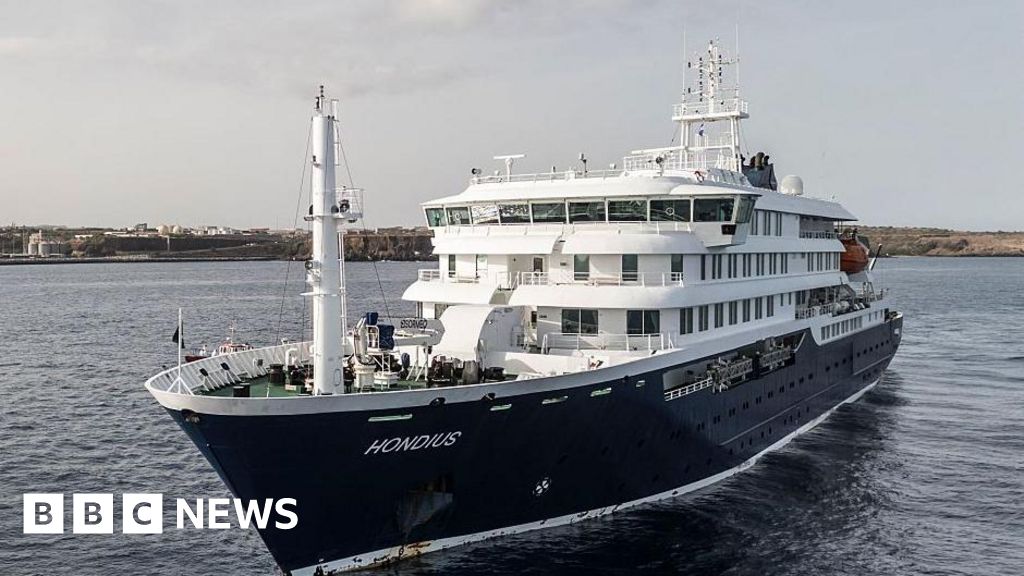
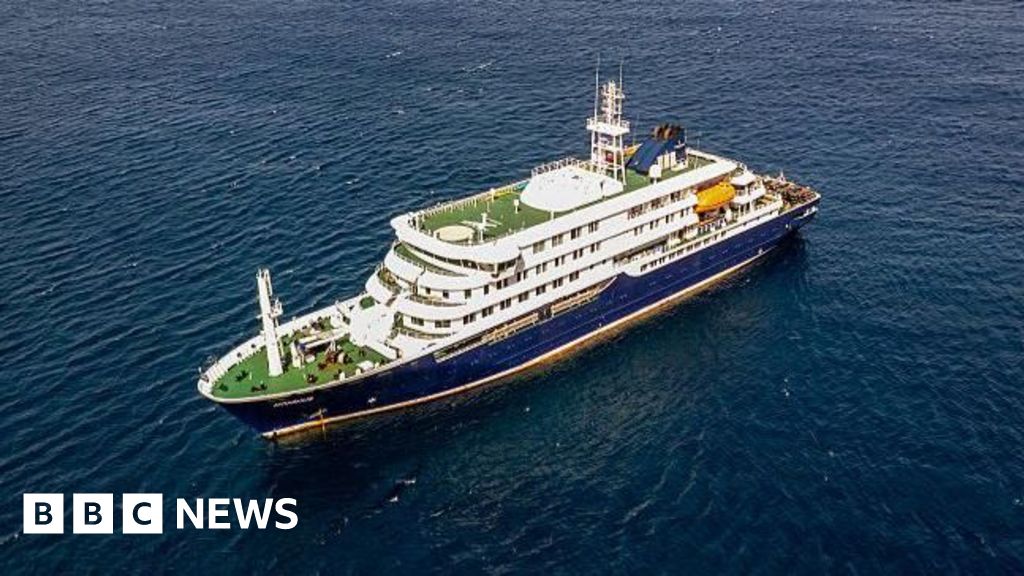
The cruise ship hit with a deadly outbreak of hantavirus is on its way to the Canary Islands where the remaining passengers are expected to be repatriated provided they have no symptoms of the infection. Here we look at the investigation into the outbreak and what comes next.
When did the outbreak start?
The first passengers aboard the Dutch-flagged MV Hondius, a cruise ship sailing from Argentina to Cape Verde, fell ill in early April with symptoms ranging from fever, gastrointestinal problems, pneumonia, acute respiratory distress syndrome and shock. Three people have died since 11 April, including a Dutch couple and a German woman, whose body remains on the ship. As of Thursday there are eight suspected cases, three of which have been confirmed as hantavirus by lab tests.
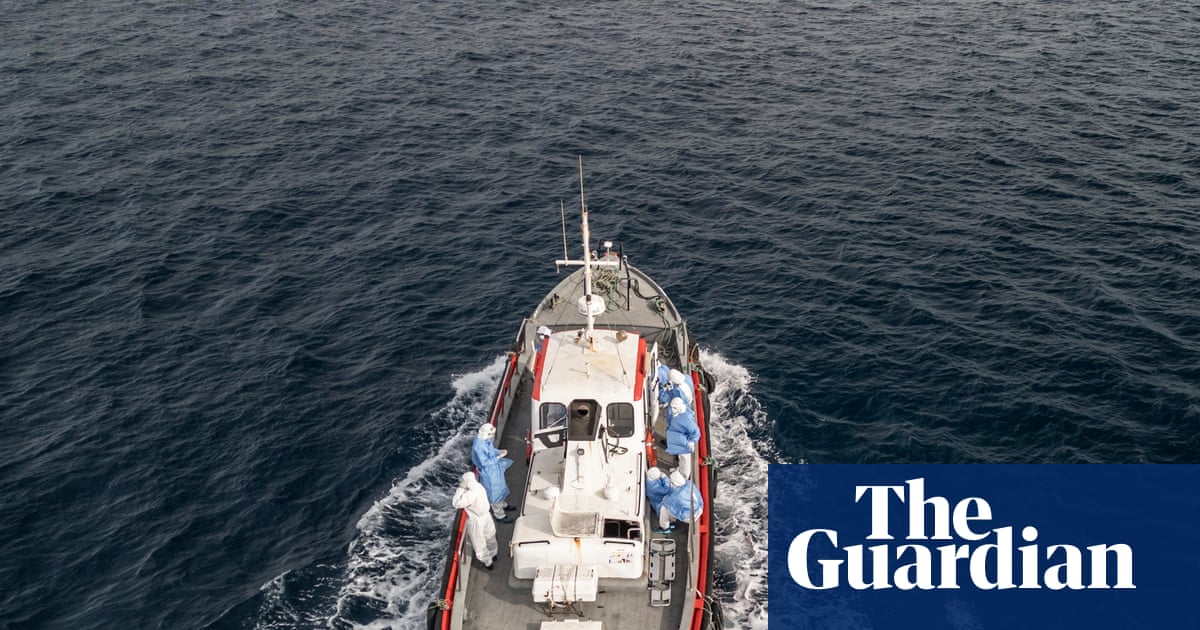
Three people with suspected hantavirus, including 56-year-old Martin Anstee, a retired British policeman who worked on the ship as an expedition guide, have been evacuated from the ship and are receiving medical care in the Netherlands. Another Briton is in hospital in South Africa. Another person was diagnosed after disembarking the ship and returning to Switzerland, the European Centre for Disease Prevention and Control said.
Two Britons who left the ship at Saint Helena in late April have returned to the UK and are now self-isolating. Neither have reported any symptoms. Close contacts of those on the boat are also self-isolating.
What is hantavirus?
Hantaviruses are a large group of viruses that circulate in rodents such as mice and rats. Distinct strains are found in different parts of the world. The viruses can spread to humans, typically through inhalation of droplets or dust contaminated with urine, faeces or saliva from infected animals. In people, hantavirus infection can cause life-threatening illness. The strains found in Europe and Asia tend to cause haemorrhagic fever with renal syndrome (HFRS), a kidney disease that is fatal in about 10% of cases. The strains found in the Americas are more virulent, causing hantavirus pulmonary syndrome (HPS), which can kill more than a third of those infected.
Can it spread between people?
Most hantaviruses do not spread between people, but there have been cases of the Andes strain spreading from person to person. Lab tests have identified that as the cause of the outbreak on the MV Hondius. The virus is endemic to Argentina, where its host is the long-tail pygmy rice rat. Infections are most likely through close and prolonged contact with someone who is in the early stages of the disease. In a previous outbreak in Argentina, three people who came into contact with infected rodents spread hantavirus to 34 others, 11 of whom died.
Where did it come from?
This is the big question. As part of the investigation, public health officials are compiling travel histories for all of the passengers prior to boarding, about 140 of whom are still on the ship. One line of inquiry is that two passengers caught the virus on a birdwatching expedition in Argentina before joining the cruise.
What happens next?
The MV Hondius is bound for the Canary Islands and is expected to arrive in Tenerife this weekend. Once docked, the 19 remaining British nationals thought to be onboard will be repatriated on a flight chartered by the UK Foreign Office, if they are still symptom-free. All are being closely monitored. On returning to the UK they will be asked to self-isolate for 45 days, reflecting the long incubation period for hantavirus. Most people who contract the virus develop symptoms in one to six weeks, but in extreme cases it can take eight weeks.





 English (US)