
 1 hour ago
2
1 hour ago
2

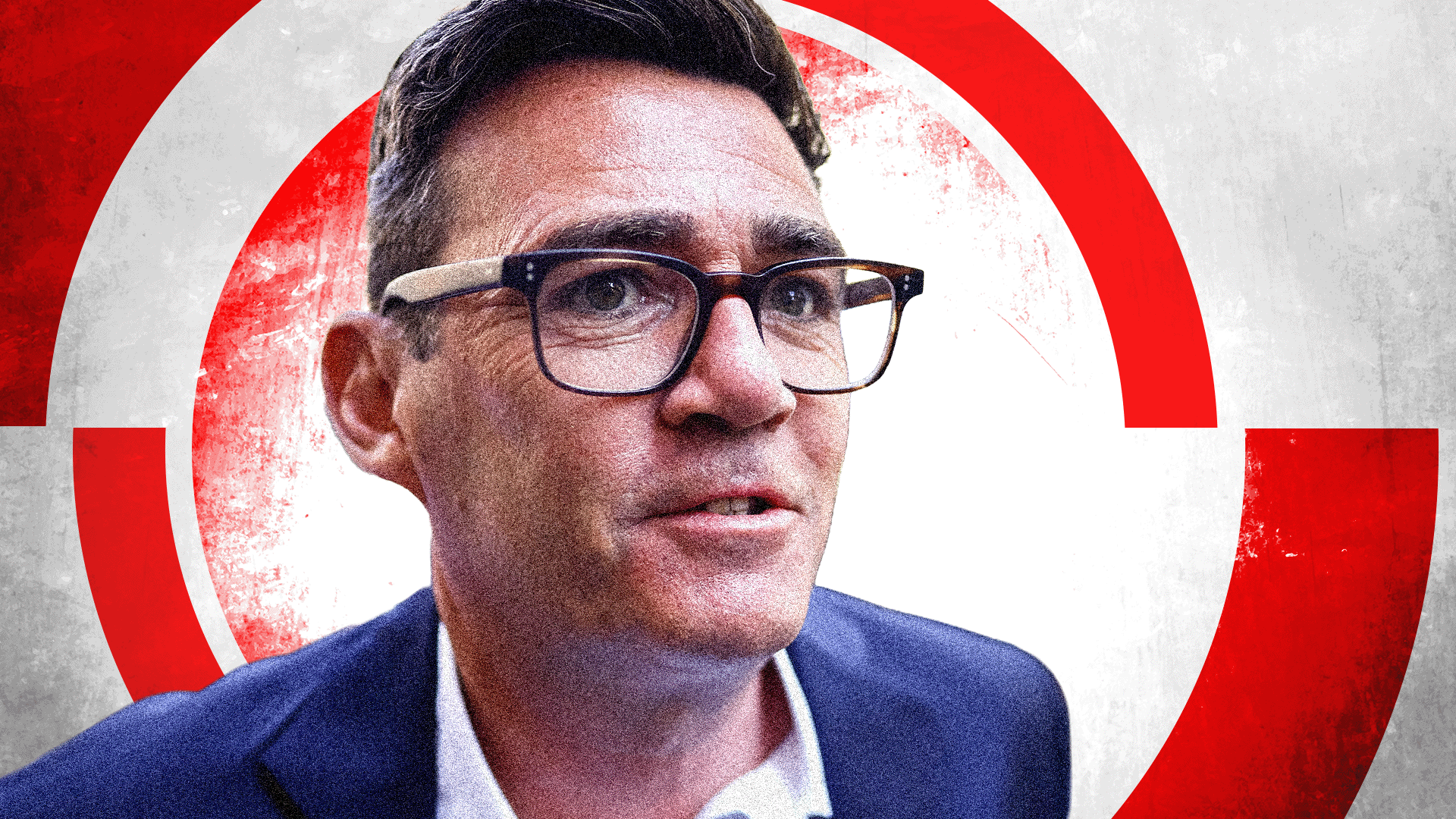 Image source, EPA/Shutterstock
Andy Burnham is on course to become the UK's next prime minister after Sir Keir Starmer announced he was stepping down.
The former mayor of Greater Manchester is currently the only Labour MP standing to replace him as the party's leader, with a slew of potential rivals standing aside and supporting his bid for power.
It means he could enter Downing Street as soon as mid-July, just a few weeks after returning to Parliament after nearly a decade away from Westminster.
His successful campaign in the Makerfield by-election saw him offer glimpses of a potential blueprint for office during debates and media interviews.
Notably, he made a key commitment that he would stick to the Starmer government's rules on government debt and spending, in a bid to reassure international investors he would not oversee a large rise in borrowing.
Here is what we know about his potential plans for power.
A centrepiece of Burnham's view of taxation is that UK overtaxes work, whilst at the same time undertaxing wealth.
This has led to speculation he could raise capital gains tax - paid on profits made when selling assets such as shares and property aside from a main home - although this is not something he has said himself.
One important pledge he has made is that he would stick to Labour's pledge at the last election not to raise the main rates of income tax, VAT or National Insurance.
During his Makerfield campaign, he also said he wanted to "have a proper look" at potentially raising the £12,570 starting threshold for income tax.
He has previously suggested that both council tax and stamp duty, a tax paid by homebuyers, could be replaced with a new tax on the value of land - an idea he has been advocating since as far back as 2010.
Burnham has repeatedly advocated bringing both water and energy companies under "stronger public control".
He has been at pains to point out this does not necessarily mean full nationalisation, a move that would cost many billions of pounds.
As an example he has pointed to Greater Manchester's bus network, where private operators bid to run services on a franchise basis, with local authorities controlling fares, timetables and routes.
He is yet to spell out what an equivalent model for water and energy companies would mean in practice, although he has said he would like to prevent "excessive profiteering" in the sector.
The Starmer government was already planning, external stronger supervision of the water sector via new legislation this autumn.
One area where Burnham has advocated direct public ownership is Thames Water, a move that is already on the cards after government objected to a proposed rescue deal for the debt-laden company in June.
Burnham has long supported the idea that social care should become a more universal system.
In a speech in 2023, he suggested this could be funded by replacing inheritance tax with a new "national care levy". He has suggested everyone would pay this new tax, whilst "obviously the wealthiest would pay the most".
The Health Foundation think tank estimated in 2024 that an NHS-style model of universal and comprehensive care could cost around £17bn in additional funding by 2035/36.
A cheaper option would be a Scottish-style system, with basic protection for everyone against some care costs, would cost around £7bn by 2035/36 to replicate in England, according to the think tank.
During his Makerfield campaign, Burnham said he did not "resile" from his previous stance, but is yet to offer further details of how the idea would be implemented.
How to improve England's social care system, where subsidised care is currently reserved for those with the highest needs and fewest assets, is a question that has bedevilled politicians for years.
Labour promised to overhaul the system in opposition, but upon taking office commissioned a review of funding that is not due to report until 2028. Burnham has said he would bring that forward to the end of this year.
Burnham has argued housing policy has fallen too far down the pecking order of priorities for successive governments.
But many of his signature policies - such as prioritising development on "brownfield" land and restricting Right to Buy - have already been put in train by the current government.
One big change in approach he has advocated is to devote the entire £39bn 10-year affordable housing budget towards homes for social rent, the cheapest and most heavily subsidised form of publicly-funded housing.
Currently some of the budget goes towards "affordable" housing, where rents are more similar to market rates, as well as affordable home ownership schemes.
Like the Sunak government, Labour has reduced levels of immigration by tightening visa requirements.
During his Makerfield campaign, Burnham said net migration "needs to fall further", although he has not set a specific target.
One area where he could have an internal battle on his hands is over proposals to lengthen the time that foreign nationals already living in the UK would have to wait before they can qualify for permanent residence.
Earlier this year, Burnham urged Labour MPs to heed warnings from the party's former deputy leader Angela Rayner about the impact of the changes.
But when running to be an MP himself, he said he supported the "broad thrust" of the plans, unveiled earlier this year by Home Secretary Shabana Mahmood.
Burnham has long made the case that the country is far too centralised, and is expected to soon set out his plans in this area in a speech.
As mayor of Greater Manchester, he was in charge of one of England's most powerful regional authorities, with powers over housing, transport, policing and local skills.
This could be an area where he builds upon foundations set by the Starmer government rather than setting an entirely new direction.
The government is already in the process of merging lower-tier councils across England, alongside plans for a new generation of regional mayors.
Rachel Reeves was also due to set out a roadmap at the next Budget, external for how to give regional mayors more control over how national taxes are spent locally.
During the by-election campaign, his team sent out a policy document promising a cut in business rates for pubs and music venues by 20%.
That would be paid for, they said, by higher taxes of out-of-town warehouses used by online retailers like Amazon.
Burnham also wants to raise the threshold at which business rates kick in, taking lots of small high street shops out of paying altogether.
Burnham told BBC Newsnight he was "sympathetic" to complaints from smaller business about last year's increase to the National Insurance they pay on the salary of their employees, without fully committing to unpicking the change.
Foreign policy and defence
Perhaps unsurprisingly, Burnham's campaign for the Makerfield seat did not yield a huge amount of detail about his plans for international affairs.
The 56 year-old has said he would like the UK to rejoin the EU within his lifetime, but he did not want to "re-run the [2016] referendum now".
His stance on relations with the EU would soon be put to the test, as he inherits a series of live negotiations on youth visas, food regulations and plans to relink the UK to the EU's carbon pricing regime.
Defence spending, which prompted the resignation of Starmer's defence secretary John Healey earlier in June, would provide another headache.
The outgoing Labour leader is determined to free up more cash for a long-delayed military investment plan, which he hopes to publish himself before leaving office, risking a clash with Burnham over the scale of the plans.
A key challenge would also be how Burnham seeks to handle US President Donald Trump. He has said the UK should seek a "good relationship" with the US, whilst being willing to say "if we can't agree with them".


 English (US) ·