
 19 hours ago
2
19 hours ago
2

An insider has told Sky News people are still disappearing "daily" from asylum seeker hotels.
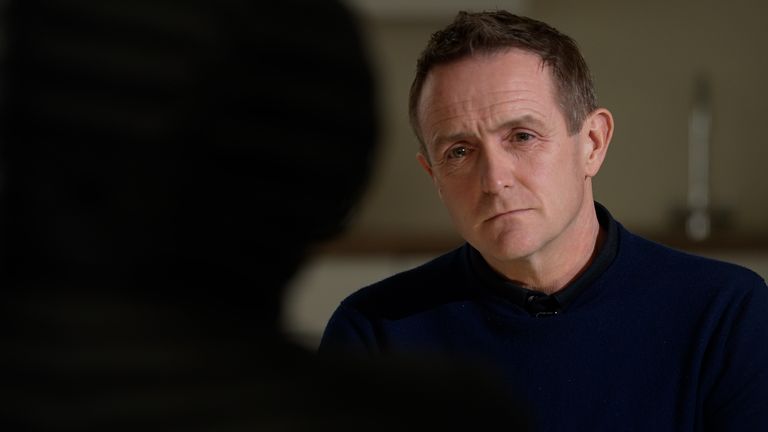
In an exclusive interview, the contractor described the chaos he sees within the system as "terrifying" because undocumented people are persistently absconding from hotels.
He spoke to us because he is deeply concerned about the ongoing lack of monitoring at a time when the government has promised to tighten the asylum system.
The man, who we are not naming, works across multiple asylum hotels in one region of England.
"When someone gets to about a week away from the hotel, they're processed as an absconder," he said.
"Nothing really happens there. They get marked as 'left the hotel' and a notification is sent to the Home Office.
"It's at least weekly. Most of the time it can be daily."
The government moved last month to reset its immigration policy by promising to toughen the process for asylum seekers.
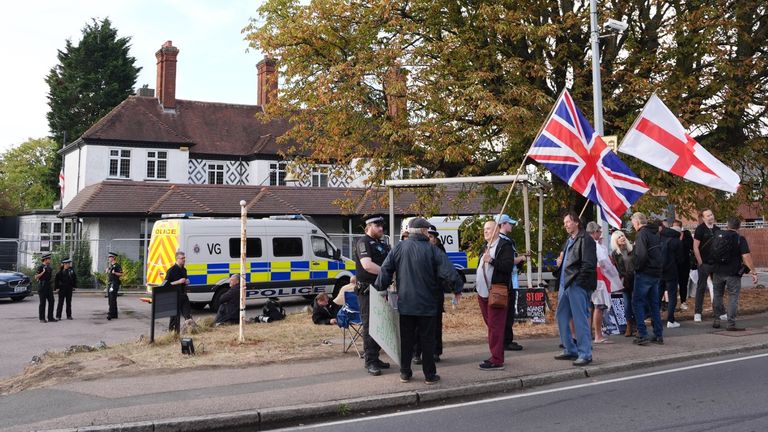
The latest figures up to September this year show 36,272 asylum seekers living in hotels.
Overall 110,000 people claimed asylum in the UK between September 2024 and September 2025 - higher than the previous recorded peak of 103,000 in 2002.
The hotel contractor also described to Sky News what he says happens when a resident's claim for asylum is rejected.
"They get given a date that they need to move out by," he said.
"You would expect immigration enforcement to go to the hotel to pick these people up. You would expect them to not even be told that they failed their asylum claim.
"You would expect them to just be collected from the hotel… that doesn't happen."
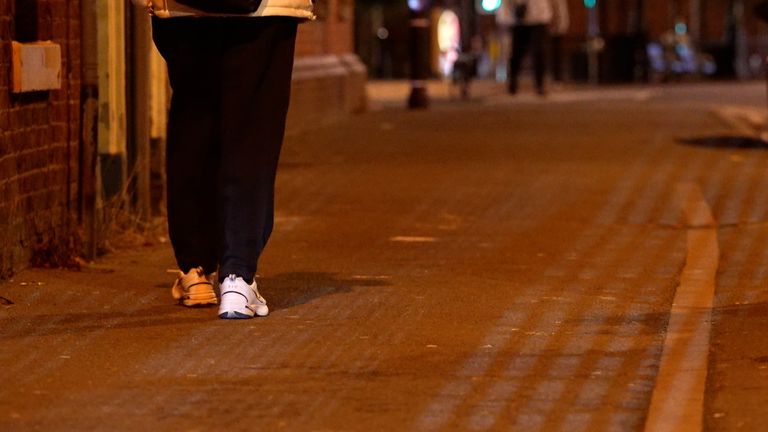
He told us that some residents just walk out of the door with no further checks or assistance.
"It must be terrifying for these people as well… 'what do I do now? I don't have an address'.
"So what do they do? How do they survive?
"Do they then get forced… to go into an underground world?
"They're just completely invisible within society.
"For those people to freely be allowed, undetected and unchecked, on the streets of this country is terrifying."
His account from within the system contrasts with the government's promises to restore control over the asylum process.
In response to the interview, a Home Office spokesperson said: "This government will end the use of hotels and have introduced major reforms to the asylum system, to scale up removals of people with no right to be here and address the factors drawing illegal migrants to the UK in the first place.
"Nearly 50,000 people with no right to be in our country have been removed and enforcement arrests to tackle illegal working are at the highest level in recent history.
"A dedicated team in the Home Office works with police, across government and commercial companies to trace absconders. Failure to return to a hotel can also lead to asylum claims and support being withdrawn."
At a community kitchen in Greater Manchester, organisers told us they regularly see people who are living under the radar - surviving with "cash in hand" jobs.
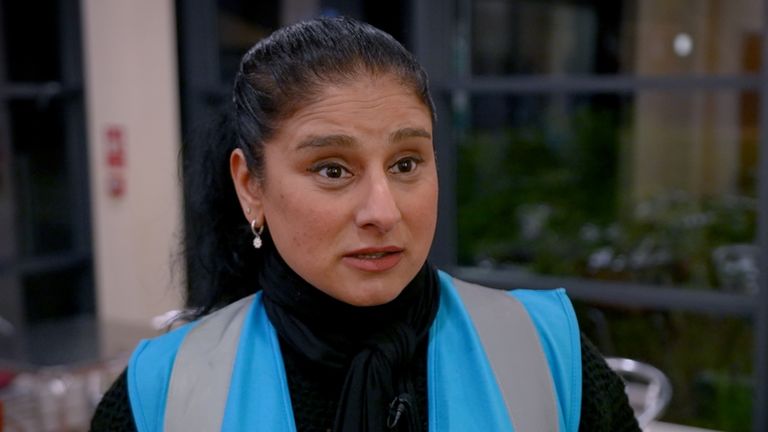
Volunteer Shabana Yunas helps many hungry and desperate people. She also feels the tension it causes in her community.
"People don't know who they are and I understand a lot of people are afraid… but if there's those things in place where we can monitor who is around, then everybody can feel a lot safer.
"If people are coming into the UK and we don't know who they are and they're just disappearing, crime rates are going to go up, slavery is going to go higher, child exploitation is going to be more exposed.
"They are too afraid to go to the authorities because they are scared of being deported to a country where their lives could be at risk.
"It's getting worse, it is dangerous and we do need to do something about this where we can support people."
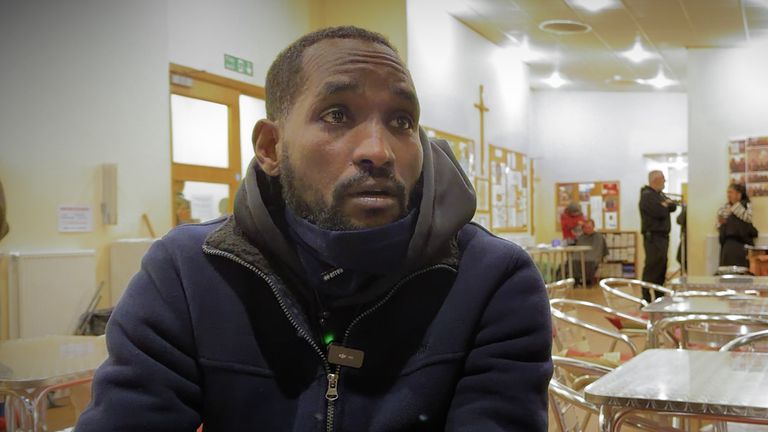
Another volunteer at the kitchen is Khalid.
He arrived in the UK in 2015 having travelled from Ethiopia - he hid on a lorry to get into England.
Read more:
The visa overstayers living under the radar
Stats show rise in asylum seekers being housed in hotels
Britain's immigration system changes explained
He has applied for asylum and been rejected four times.
He has recently submitted another application and told us political violence at home meant he could not return.
Crucially, he knows plenty of people living off-grid.
"Yeah, they don't care about what the government thinks, because they already destroyed their life," he told us.
Although Khalid now has somewhere to stay, he has previously considered turning to crime to give himself the stability of life in prison.
"I was in depression. I was like, I wanna do some criminal and go jail, to stay in a prison.
"Once upon a time, I'd prefer that way."
Please use Chrome browser for a more accessible video player
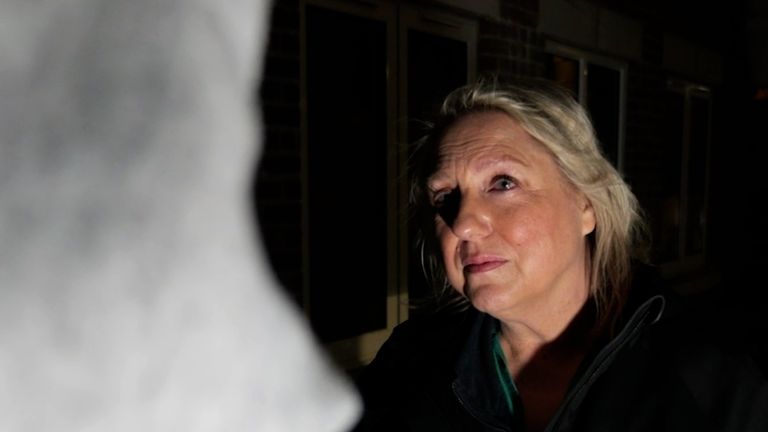
Khalid is now volunteering to give his life more purpose as he waits for another decision from the Home Office.
He says he doesn't blame people who think he should be deported back to Ethiopia.
When asked if he should have been, he said: "That is up to Home Office, like up to government."
Stopping small boats, clearing backlogs, closing hotels, enforcing the rules and restoring faith in the system are all priorities for the Home Office - solving it all is one of the defining challenges for the Starmer government.







 English (US)