
 2 hours ago
3
2 hours ago
3

L’Équipe’s front page headline summed it up perfectly. “So Crazy” did not just reflect Saturday night’s dizzying blur of a game in the Stade de France but pretty much the entire 2026 men’s Six Nations championship. Wales beat Italy who defeated Scotland who beat France who beat Ireland who beat England who, you’ve guessed it, beat Wales. Rugby, eh?
And maybe that is the single biggest takeaway from the most extraordinary Six Nations of them all. Never mind the players and the coaches, spare a thought for all those distractedly pouring orange juice on their cereal as they vainly try to rationalise six weeks of madness. The world’s oldest championship still manages to refresh parts others cannot reach.
Sometimes, amid the disheartening news stories about rugby players’ brain health, precarious club finances and fanciful breakaway leagues, it is possible to overlook that timeless truth. But any sport that can leave all and sundry wanting more within moments of the tournament ending must be doing something right. And Saturday, with millions worldwide screaming at their TV screens, was exhilarating proof that Test rugby played at full throttle ranks among the planet’s most compelling spectacles.
Those of us who wondered aloud after round one whether a lack of jeopardy might become a looming issue could not be happier to be proved wrong, at least for now. Given France have now won back-to-back titles with the scope to add more if they can relearn how to defend properly, they will inevitably be the antepost favourites when 2027 finally rolls around.
The glaring difference from six weeks ago, however, is that the rest of the field have all displayed genuine signs of improvement. Wales have earned their first Six Nations win for three years, while Italy deservedly put away both England and Scotland in Rome. Ireland’s last-day performance was, in its way, every bit as impressive as their authoritative triumph at Twickenham while Scotland claimed a top-half finish with three eventful wins.
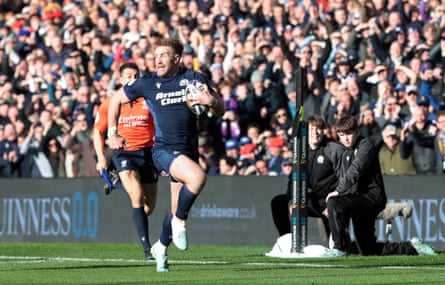
And then there is England, who finally showed on Saturday night what can happen when they commit to playing some actual rugby. Among the most revealing snapshots was the 10-phase attacking set that ended with Tommy Freeman steaming over for his side’s seventh try. Slick, purposeful, skilful, sharp … could this be the same team who were barely able to escape first gear against Scotland and Ireland?
In fairness they were not the only squad who displayed a split personality. Ireland were barely at the Parisian races on the opening night, only to come thundering back into title contention. How on earth did Scotland lose in Rome and then perform so brilliantly against England a week later? The explanation, as with France at Murrayfield, lay between the cauliflower ears. Rugby is a technical game but, vitally, is also still fundamentally shaped by emotion.
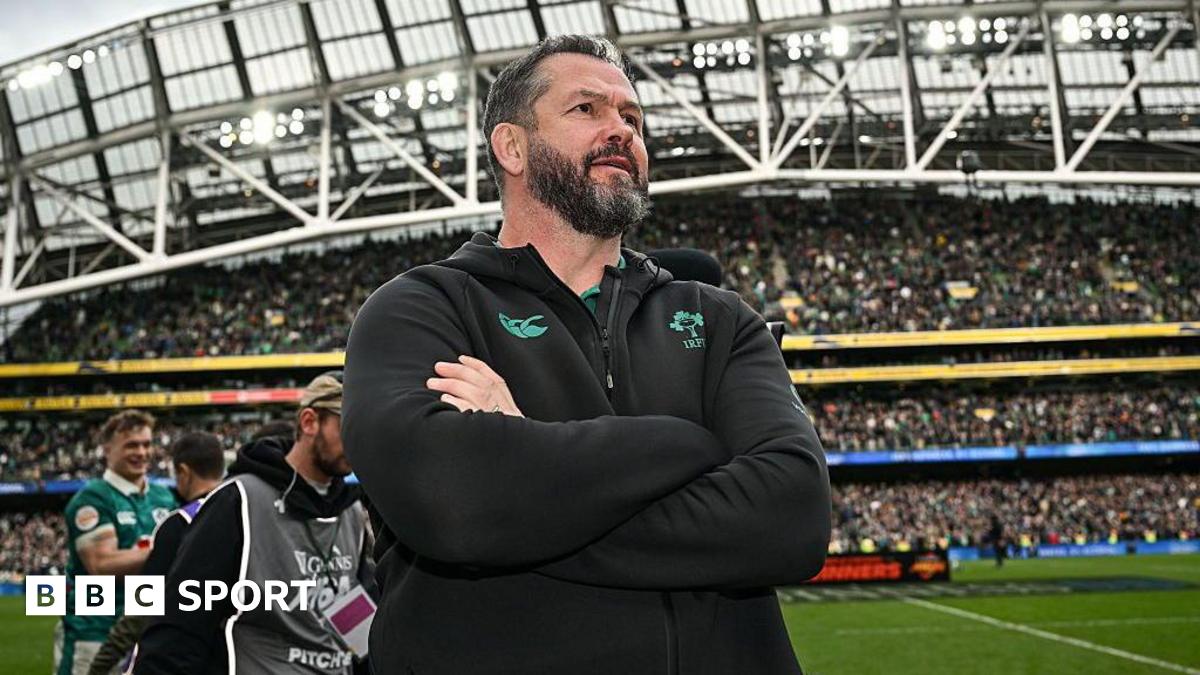
Which just happens to be Andy Farrell’s superstrength as a head coach and his contribution to Ireland’s revival was pivotal again. Big Faz knew his older players would not physically benefit from playing five games inside six weeks and resting a few against Italy ensured their freshness for subsequent battles. Fair play, too, to Gregor Townsend, under serious pressure after his side’s Roman washout but still canny enough to conjure fabulous wins over England and France and, with some help from the officials, a comeback win in Wales.
Saturday night’s game in Paris also had a good sprinkling of impactful refereeing decisions which Steve Borthwick will be raising with World Rugby. In particular he was unhappy when England had a last quarter penalty advantage belatedly changed to a knock-on advantage just as Fin Smith was kicking away the ball prior to the counterattack that preceded the record-breaking Louis Bielle-Biarrey’s fourth try, a significant twist in a game full of them.
There was also late confusion when Trevor Davison and Maro Itoje were penalised for a high tackle and a deliberate knock on respectively by the Georgian referee Nika Amashukeli, causing a delay prior to Thomas Ramos’s all-important final kick. It was not hard to appreciate the angst felt by both England – who were pipped 33-31 by another last-gasp Ramos howitzer in Lyon two years ago – and Ireland, who would have snatched the title had the visitors clung on.
But if they are totally honest with themselves, England will recognise that they and everyone else are hostages to a game of increasing extremes and ever-decreasing margins. The ability to think straight in the chaotic closing stages is also becoming ever more valuable: Jack van Poortvliet’s ill-fated box kick with two minutes left swiftly followed by Henry Pollock’s unwise attempted offload were both examples of small, isolated strategic misjudgments with big ramifications.
Ramos and Bielle-Biarrey, furthermore, displayed a level of individual mastery with their goal-kicking and try-scoring that their visitors could not equal. France might be flawed champions in one or two respects – when was the last time any team conceded 96 points in their final two games and still hoisted the trophy? – but they had the sniper’s aim and rapier pace for that not to matter.
Add in the consistent excellence of Ireland’s Stuart McCloskey – remember him chasing down England’s startled Marcus Smith – Jamison Gibson-Park and Rob Baloucoune, the purring Scottish backline, Italy’s anthem-roaring centurions, Rhys Carré’s prop idol try for Wales in Dublin and the entire Super Saturday smorgasbord, and audiences were spoilt for choice from beginning to end. The highest aggregate try count in a championship season was another bonus, as was the conspicuous lack of drab mismatches. All hail the Six Nations, still crazy after all these years.





 English (US)