
 1 hour ago
1
1 hour ago
1

The history of Test cricket between England and Pakistan stretches back to 1954 and has been a vibrant one over the years. Yet, for all the memorable battles, plus the cultural ties between the two countries and a fair bit of scandal along the way, a trophy that denotes the rivalry is still to be created.
England lost the Crowe-Thorpe trophy to New Zealand this summer, will look to retain the Basil D’Oliveira trophy in South Africa this winter, and hope they can win back the Ashes next year. Trophies for encounters with India and West Indies go back so far they have been retired and replaced by new ones in recent times.
But aside from the Benaud‑Qadir trophy, inaugurated when Australia visited in 2022, Test series involving Pakistan simply have whatever cup the sponsor at the time commissions. When England were last in Pakistan, for example, they watched their hosts lift the Bank Alfalah presents Kingdom Valley trophy.
Until something more meaningful is devised, perhaps the series should be known as “El Dysfunctiono”. Admittedly it sounds like something Pelé raised awareness about back in the day. But given the two teams involved – both capable of self‑sabotage that drives supporters up the wall – it kind of works. That it gets under way at Headingley, home to English cricket’s most volatile county, is also fitting.
Pakistan are at something of a low ebb, frozen out of the top table at the International Cricket Council and one place off the bottom in the World Test Championship after claiming the wooden spoon last time around. Their past 18 Tests have featured 13 defeats, including a record eight in a row away from home – a run only ended this month when they left the Caribbean with a 1-1 series draw.
Underpinning this has been a rolling cast of head coaches and team directors – 11 in the past five years across formats in the men’s game, including interims – and they have recently turned back to Babar Azam as Test captain. This despite a battle for form that has seen him go 36 innings without a century. Babar will miss the series opener, however, with a hand injury, forcing Salman Ali Agha to step in.
Things are not much rosier for the hosts. English cricket is comparatively more stable, it must be said, and at the very least, has the ear of Jay Shah, the ICC chair. In contrast to those itchy trigger fingers at the Pakistan Cricket Board, they also tried their best not to rip things up after that dismal Ashes winter.
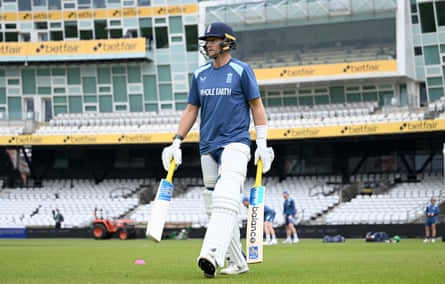
But in failing to bring about meaningful change, they ended up soundly beaten by New Zealand in June, fell to seventh in the nine‑team World Test Championship table, and in an even bigger mess than before. Ben Stokes jumped ship, Brendon McCullum lost half of his job as head coach, and now a mere semi-reset is only just under way.
Like Pakistan, England have turned back to their princely senior batter to lead, in Joe Root. His first press conference back in the job full-time was much like those that came before: polite, engaging, generous timewise if a touch light on substance. Although Root would sooner comparisons with his first stint were not made, insisting he is a very different person and cricketer to four years ago.
after newsletter promotion
Beyond this, his pride at pulling on the blazer in Yorkshire, and the news that he will swap first slip for mid-off to speak more directly to his bowlers, Root’s overriding message was one of refinement rather than overhaul. He wants to lead a team that is more adaptable and nuanced, not wedded to a one‑size-fits-all approach. The focus, he stressed, is squarely on these next three Tests.
Doing so without the balance and presence of Stokes makes this trickier, as does the new Test coach, Stephen Fleming, not starting until the winter. The tight turnaround after a month of playing in the Hundred also represents a significant gear shift for England’s fast bowlers and demands a significant adjustment from their batters. Pakistan have been playing with a red ball for weeks.
In Root’s favour this week is the weather. The seemingly relentless heatwave threatened to make England’s intended lack of a frontline spinner look daft, only for clouds to roll in and point to the quicks coming to the fore between showers. That said, this will also make as skilful an operator as Mohammad Abbas a handful.
Either way, the lack of a lofty mission statement from Root was probably for the best. Over on the official PCB website it sets out six “priority areas” to be addressed over the next five years. Amusingly there is no publication date, however, making this a rolling deadline that rather sums up the green half of El Dysfunctiono.








 English (US) ·