
 2 hours ago
2
2 hours ago
2

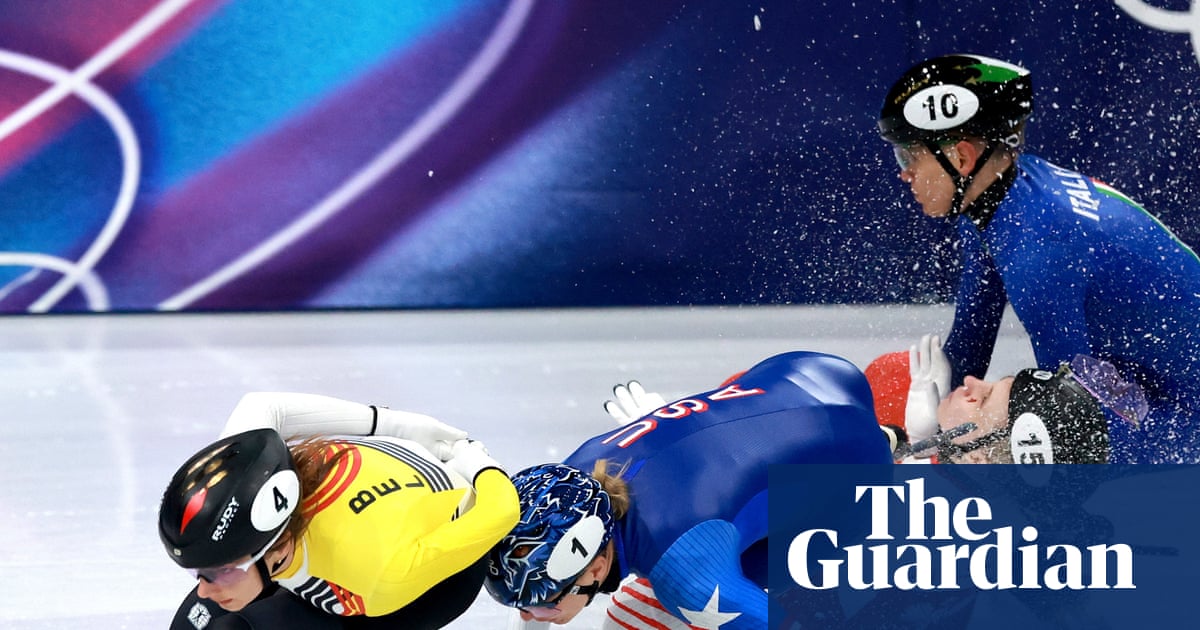
Britain has no international quality rinks to host short track events – such as an arena with soft padding around the barriers in case of crashes - meaning Treacy trained with the Dutch national team ahead of the Olympics.
And Eley says there are no plans to improve facilities, due to a lack of funding as well as the greater popularity of other winter sports.
"If you do that [install padding] you can't have hockey on the rink, you can't have pucks with the pads, so you are cutting the use of the facility," he said. "Ice hockey is a big participation sport in the UK.
"We had that in the lead up to PyeongChang, a hybrid system – pads in place during the week then they take them out on the weekend when the hockey team played.
"But it was costing £30,000 a week because of how much work it took to take the barriers in and out.
"Plus, the cost of running rinks in the last few years has gone through the roof, the cost of freezing the ice and the price of energy."
Instead, short track will have to be clever with their funding and facilities – and Eley says they could look to a sport where Britain have had Olympic success.
Two of Britain's three golds at Milan-Cortina have been in skeleton, despite training on a single track in Bath with no ice.
However, a clear talent ID and training programme brought success, followed by funding to allow for greater strides to be made in design and hiring world-class coaches.
"From a skeleton perspective, they might not have loads of access to tracks, but what they do, they do very well," he said. "So we can learn from them."
Short track is currently funded as a development sport, and Eley says they are looking to have a stronger and larger team for French Alps 2030.




 English (US)