
 2 hours ago
2
2 hours ago
2

Experts are considering expanding the meningitis B vaccination eligibility in response to the fatal outbreak of the disease in Kent.
The Joint Committee on Vaccination and Immunisation’s review comes after the health secretary, Wes Streeting, asked it to to “re-examine eligibility for meningitis vaccines” for a wider range of people than those who currently qualify.
Health officials in Kent, where there have been two fatalities, said cases could spread outside the county as students return home for Easter. On Friday the UK Health Security Agency said there were 18 confirmed cases, and 11 more under investigation.
The Guardian understands the JCVI started a review of the outbreak in Kent and is considering a wider review of eligibility for routine meningitis B vaccinations.
The JCVI, which is the government body responsible for advising all four nations on immunisation policy, has until now said a catchup campaign for young people born before 2015, when the MenB jab was introduced for infants, would not be cost effective. Experts say protection only lasts a few years and does not stop transmission of the bacteria.
The news comes as Kent County Council’s director of public health, Dr Anjan Ghosh, said that over the next month there would likely be “sporadic” cases of meningitis elsewhere in the UK, as students travelled home for the Easter holidays.
While he “fully” expects that the growth in cases will have slowed down after a month, it was not possible to definitively say whether it has peaked yet.
At a briefing, Ghosh said there were three possible scenarios in the next four weeks, as “that’s the time it takes for this whole thing to really subside”. The first, would see the outbreak remain contained in Kent.
The second would see students going home or away for the Easter holidays who then get the disease. “They were incubating when they left, and then they become cases, and there are small household, sporadic clusters outside of Kent,” Ghosh said. But he stressed such cases were “highly unlikely” to start a new outbreak.
The third, and “worst-case”, scenario would result in another cluster outside of Kent. However, he said this was “highly unlikely”.
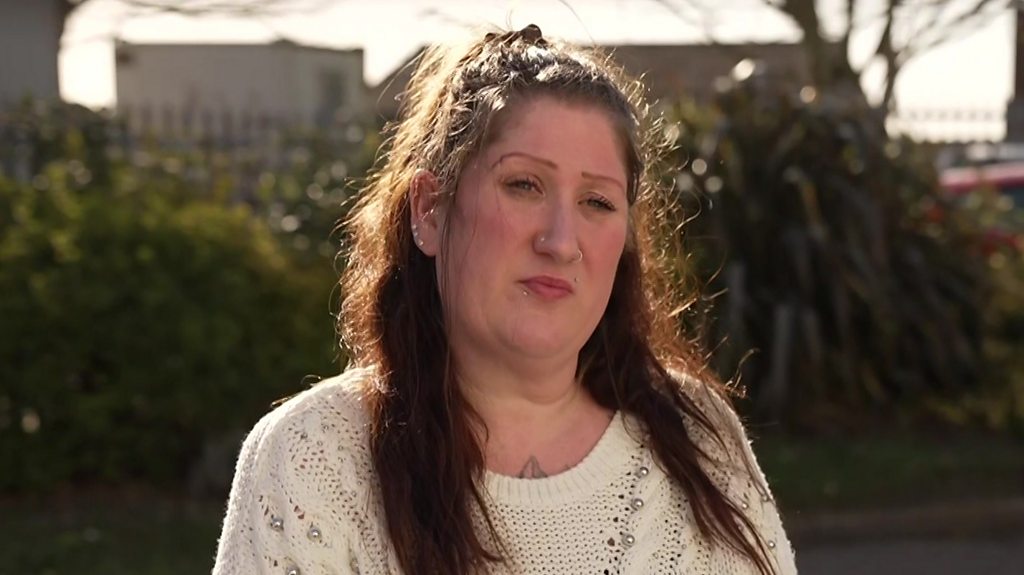
Earlier, the family of a teenager who died from the disease on 15 March, described their “immeasurable loss”. Juliette Kenny’s father, Michael Kenny, said: “No family should experience this pain and tragedy,” adding that he wanted his daughter’s legacy to be “lasting change”. The family is now campaigning for teenagers and young people to be routinely given access to the meningitis B vaccination.
Dr Michael Head, a senior research fellow in Global Health, University of Southampton, said a possible option for JCVI would be to add MenB to routine year 9 jabs. He said:
“There would certainly be value in an updated review by the JCVI to understand the value of a booster rollout in teenagers for MenB. We do already have school-based immunisation, including for the MenACWY vaccine. Should there be any revisions to the policy, this could be a more simplified approach for adding the MenB vaccine.”
But Prof Andy Pollard, the director of the Oxford Vaccine Group at the University of Oxford, said he doubted JCVI would recommend expanding MenB vaccination.
“There is certainly a case for revisiting the wider use in adolescents, but it is unlikely to come up with a different answer unless circumstances change (ie more cases or observations of wider benefit). There is clear potential health benefit for a programme and it would likely prevent the relatively small numbers of cases which occur in this age group each year.
“However, JCVI is not able to make a positive recommendation as they are constrained by the Treasury rules on cost-effectiveness.”
UKHSA said initial genetic analysis had showed the “Bexsero vaccine currently being offered in Kent should provide protection against the type of MenB in this outbreak”.
It said: “The strain belongs to a group of bacteria known as group B meningococci, sequence type 485 belonging to the larger clonal complex ST-41/44. Similar strains have been circulating in the UK for around five years but detailed analysis of the outbreak pathogen is required.”
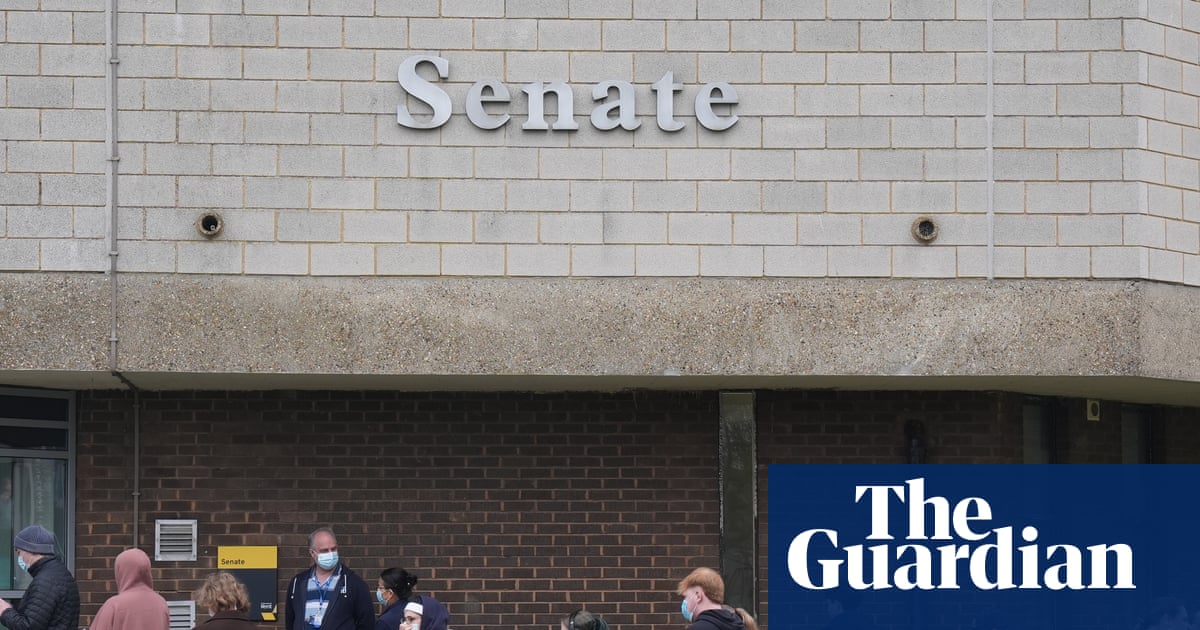
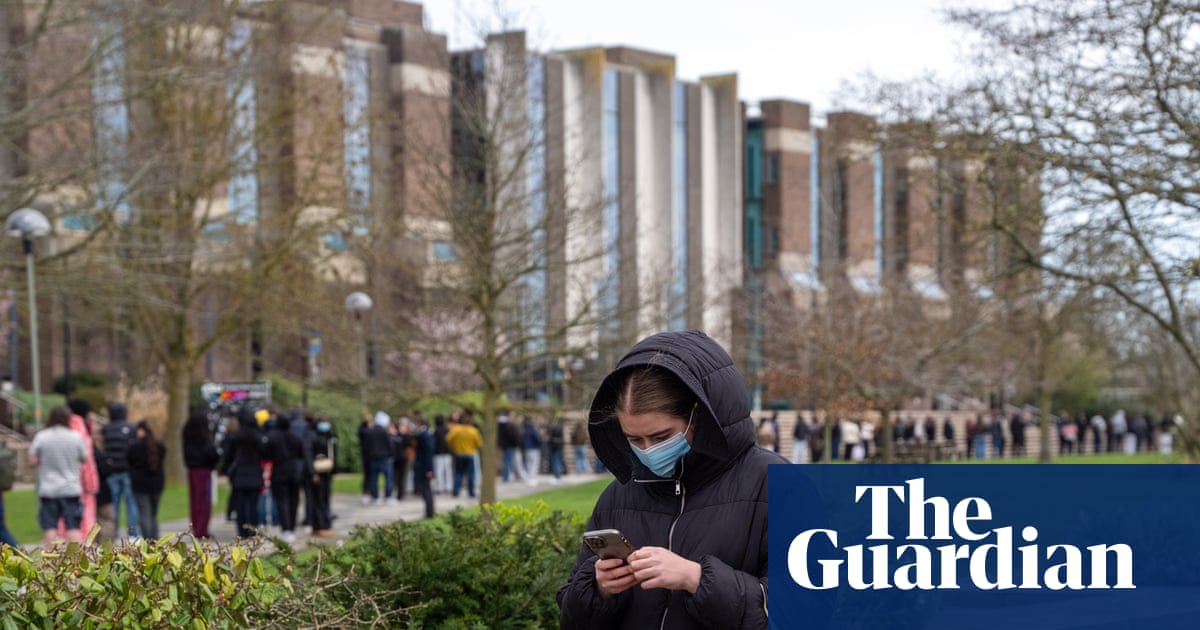
Experts stressed that there were ample stocks of the vaccine, as queues for the jabs continued throughout Friday. NHS Kent and Medway said that more than 4,500 people had already been vaccinated and 10,561 doses of antibiotics distributed.
Ed Waller, the deputy chief executive and chief strategic commissioning officer at NHS Kent and Medway, said: “We have plenty of vaccine here in Kent. We’ll draw down more from the national stock. And we’ll do our utmost through the weekend to put as much capacity into the sites as we can, and see as much of the cohort as we can.”






 English (US)