
 6 hours ago
2
6 hours ago
2

Are you surprised at the complete turnaround in England’s results or did you see this coming? “I’m not at all surprised because I saw the team trending in the right direction. I was involved for the back end of the 2023 World Cup campaign and it was amazing. Then a lot of experienced heads left, but the young lads had learned so much from those boys: Courtney Lawes, Billy Vunipola, Joe Marler, Ben Youngs, Dan Coles. Then in the 2024 Six Nations we got that win against Ireland and in Paris I remember standing behind the posts watching a couple of tries, going: ‘That’s how England should play!’ That’s the blueprint. There was Ben Earl, Marcus Smith, playing quickly, physical direction, carving up the French defence. Even though we lost, I remember thinking: ‘That was my last ever game for England, annoyingly – they’re gonna do all right from now and I’m not going to be a part of it.’ But in a way, maybe I played the tiniest part in their transition. The last year has been a joy to watch.”
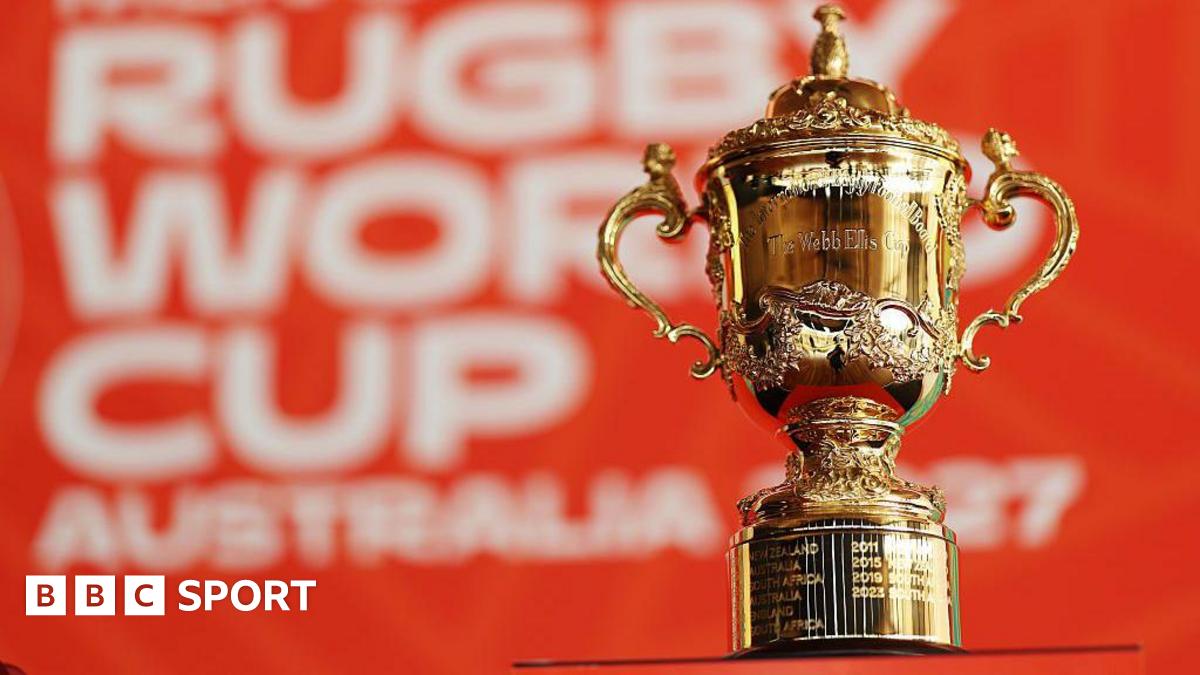
Do England need to win the Six Nations to be serious contenders for the Rugby World Cup next year? “They have to win it just to prove to themselves that they are that good, but not necessarily this year. It’s going to be really tough, but I believe the boys can do it. The last game’s in France: it would be quite special to do it there 10 years on from when we won a grand slam over there. It would be a brilliant feeling for them to realise what it takes. A lot of the lads starting for England at the moment experienced how close we were to reaching the 2023 World Cup final, the fine margins, and they’ll be way better players for it come 2027. Obviously I’m biased, but we’re in a nice side of a draw so I’m very hopeful England can go all the way. Eighteen months away from a World Cup, England couldn’t be in a better place.
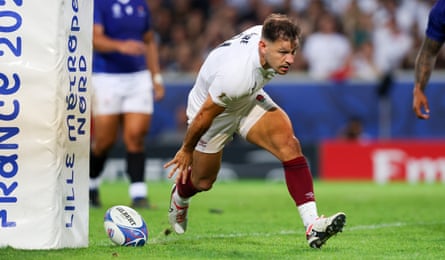
Harlequins seem to be going in the opposite direction since you retired last May. How does it feel watching their decline? “It’s really tough to watch the club I love and really care about. It does hurt. But I was there 19 years so I’ve been in situations like that. Losing the coach on the eve of the season doesn’t help. Danny [Wilson] was great – you can’t begrudge him leaving when an international team come knocking. We’ll blame Wales because of the timing! You can’t put too much stick on the current coaches; they’re trying their best in a tough situation. Maybe this is a bit of a reset year.”
How do Quins turn this around? “They could sort out what they want to do, what route they want to go down: get in the right players, who want to be there for the long term, then bring in a new coach or coaches to take the club forward. It’s not just a short-term fix. Ironically producing England players is one of the problems. It’s such a hard league at the minute. It’s so tight. If you are slightly off it, you’re going to lose. We’re seeing mammoth scorelines this year in the Prem, which is great for attacking rugby, but not good for coaches’ heart rates.”
Why do you think blowouts have become more common in the Prem? “I don’t know whether it’s a law thing, a breakdown thing. I can’t put my finger on it. If the other team’s on top, it’s very hard to wrestle momentum back. There’s proper talent in the league so if you’re slightly off it, mentally more than anything, you’re gonna get beat. Teams are gonna score – and quickly – and suddenly you’re four or five tries down thinking. Then you try things different to the gameplan and expose yourself, and a team can run a real score on you.”
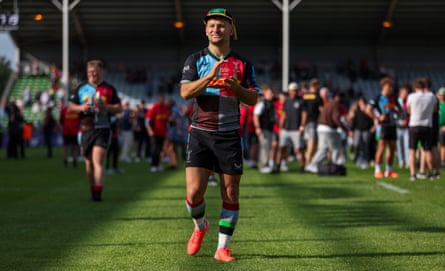
You’ve been retired for nine months now. How’s the body and mind after 500 games? “It’s alright. My knee’s not great. I had surgery at the end of last season and it’s probably going to need a little bit more but I’m putting that off as long as I can. Just watching makes me absolutely certain that I made the right decision. I’m lucky I got to play as long as I could and decide when my exit was, which not many people get to do. I saw a lot of good friends transition out of the game: the good, the bad, the different, I saw it all. So I tried to put things in place that I wanted to do. I started doing punditry when I got injured at the 2011 World Cup and got an amazing buzz, so I did as much as I could while playing. The media is something I’ve always enjoyed. I’ve opened a few doors there.”
You’re also coaching at a school this season? “That’s been brilliant, so rewarding. I’m trying to give a little bit back. Selfishly, it gives me my fix of being on the pitch and I help kids see things, encourage them to back themselves, have a go and be brave. We’re trying to make them realise how good they are. We’re on a bit of a cup run with the first team – one win away from playing at Twickenham – which I did with my school 21 years ago. There’s something a bit cathartic in that. I say to the boys, that was one of my favourite ever rugby experiences – doing something incredibly special with your best mates. You’ll probably never have as much fun in rugby as you will now.”
You’re spending a few days in Singapore as an HSBC ambassador. How different is it to when you were on the sevens circuit 20 years ago? “Sevens is something I hold dear to my heart. I loved my time on the tour. It’s still brilliant to be around. It’s such a fun atmosphere. Everyone’s got smiles on faces. HSBC’s slogan is “Let’s SVNS this city” so we’ve been getting into the community and done loads of coaching. There’s a real appetite for rugby over here, which is really cool. It’s my first time here – Singapore wasn’t on the sevens circuit when I started – and it’s been amazing. We went to the museum to learn about the culture and traditions, and we’ve been up high to look over the city, and been on mopeds with little sidecars going around to view the old stuff. It blows my mind.”
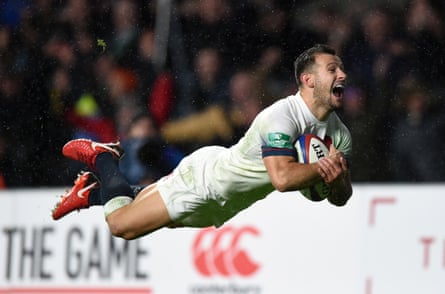
Great Britain’s young teams are bottom of the men’s and women’s SVNS leagues this season. The sevens coach Mike Friday says the RFU is missing a trick by abandoning the England sevens programme, given nearly all professional players played it at school. What do you think? “I’m definitely with Mike on that. It’s sad to see what’s happened with the English sevens game. It doesn’t make sense. I know what it did for my career, confidence, skills and ability to play in high-pressure environments. It was a rite of passage to see if you could hack it in these big arenas, with the absolute scrutiny of seven-a-side rugby in seven minutes. It puts you under a strain that you can’t really get in 15s. Make one mistake, it could cost you the game, or you do one brilliant thing, you could win the game. So I’ll always be a massive advocate that people should play sevens. I don’t see the downside. I appreciate it comes with an awful lot of cost to send these players around the world, but Australia and New Zealand have the correct funding to run a whole programme. I would challenge anyone that says there isn’t a place for it in rugby.”
You burst on to the scene as top try scorer in the 2004 Commonwealth Youth Games in Australia. Is it true you had never played sevens before? “That is true. I went to Prince Henry School in Otley, which was a good rugby state school, but we didn’t enter any of the sevens tournaments. I’d never played sevens in my life. A lot of it was down to Brian Ashton setting up the National Academy. We were a group of young lads: Danny Cipriani, Ryan Lamb, Anthony Allen, lots of good young talent. They sent us out there to see what we could do and it was the best few weeks ever. We got to mix with all these other athletes in the Commonwealth Games village: Jessica Ennis was there! Unfortunately a dodgy touchline call robbed us of a gold medal, but to come back with a silver after never playing Sevens before was pretty cool.”
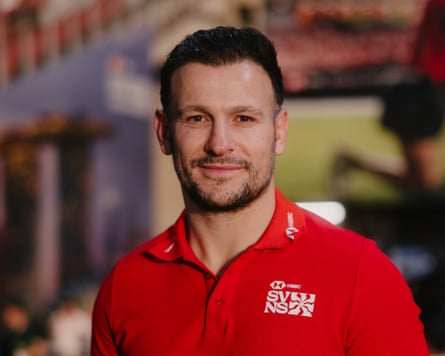
A lot of elite women are switching codes in blocks like franchise cricketers. Antoine Dupont did it with the Olympics but is that another missed opportunity for men’s rugby as a whole? “I would absolutely be an advocate for that. If the best player in the men’s game wants to do it and get an Olympic gold, that says to everybody, it should be a thing they’re allowed to do. We had Ben Youngs, David Strettle, Matthew Tait, Tom Varndell. Think how good a team England could put out now: frightening. I understand 15s will always take priority, but I can’t see any harm in putting a team together that would compete with everyone. What a buzz it would bring to see someone like Henry Pollock playing in HSBC SVNS. But I can’t see it happening.”
Finally, would your mate Joe Marler have been the worst ever sevens player or would he be able to cause some damage? “Back in the day Joe was as quick as any forward. He was rapid and he had unbelievable skills. In his last year or so, he would have struggled, but Marler in his prime would have made a formidable sevens player. He’d be very hard to tackle. And he would have just wound everyone up, which would have been funny as well. Last week we managed to wangle a trip to Spain with our wives. It was hilarious. The boy did well in Traitors. We were proud of him.”
Follow No Helmets Required on Facebook


 English (US)