
 6 hours ago
3
6 hours ago
3

The Bafta TV awards have recently been dominated by shows that feel so last year. In 2025, the statuettes for Mr Bates vs the Post Office arrived so late – 16 months after its ITV premiere – that viewers must have suspected they were sent by Royal Mail. This year, if Adolescence takes home any of the 11 prizes for which it is nominated, 14 months will have passed since the drama about misogynistic online influence on young men dropped on Netflix.
This results from two accidents of the calendar: the Bafta qualifying period running from January to December in the previous year and networks front loading schedules with their big shows.
In setting the odds for the acting categories, bookies seem unlikely to risk losing money on Stephen Graham (leading actor) and Owen Cooper (supporting actor) winning as traumatised father and radicalised son in Adolescence. In supporting actress, it’s also hard to see past Erin Doherty as the young defendant’s court-appointed psychologist for her astonishing stillness, demanding an exceptional level of bodily and emotional control, in the almost episode-long single take.
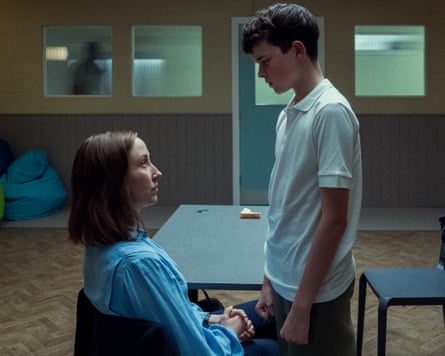
The 33-year-old Doherty achieves the rare Bafta double (most associated with Julie Walters) by also being nominated as best actress for A Thousand Blows (Disney+). Also in with two shots is contender Aimee Lou Wood, 32, up for leading actress in Film Club (BBC) and supporting actress in The White Lotus (Sky Atlantic).
However, Sheridan Smith – a past winner and twice nominee – should double her victories in the best actress category for a performance, emotionally authentic even by Smith’s wrenching standards, as Ann Ming, a mother who changed the statute books to have her daughter’s killer jailed, in ITV’s I Fought the Law.
It would be a shock if Adolescence doesn’t win limited series, but a notable rival there is Trespasses, Channel 4’s adaptation of Louise Kennedy’s novel about a cross-lines love affair in sectarianised 1970s Northern Ireland where love can lead to death. With six nominations, Trespasses is the most unexpected of the frontrunners (behind Adolescence and A Thousand Blows and level with Star Wars spin-off Andor) but completely deserves a prominence that again vindicates Channel 4’s drama policy of funding a few big pieces rather than many smaller projects.
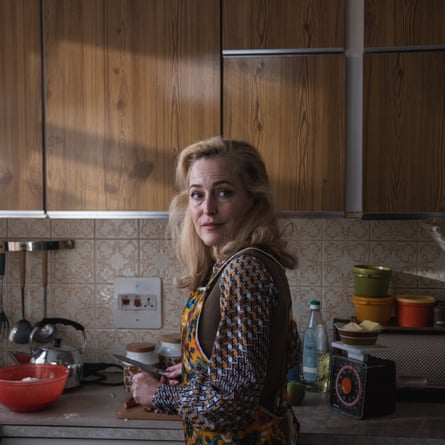
While most categories feature a wide range of shows, actress in a comedy is notable for monopolies. Three of the six nominees are from Amandaland, while that series and another contender, Pushers, are both produced by the same independent, Merman TV.
Best entertainment performance is usually the most predictable shortlist – having generally featured Graham Norton and Ant & Dec throughout this millennium – but this year has neither. (Though Norton’s show has got a nod.) It’s too early yet to know if this is a blip or the end of an era but, in the absence of Donnelly and McPartlin, two newer double acts go head to head: Romesh (Ranganathan) & Rob (Beckett) and Amanda (Holden) & Alan (Carr). With two shows in the category, Ranganathan would be unlucky to lose but, if Norton and Ant & Dec have abdicated, Claudia Winkleman (for The Celebrity Traitors) feels the new TV royalty, although, on early evidence, her chatshow seems unlikely to trouble the judges next year.
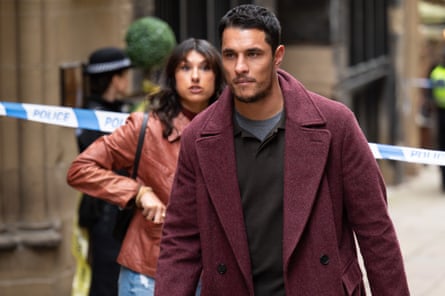
Awards announcements are always partly about absences. I especially regret the overlooking of Jimmy McGovern’s BBC One drama Unforgivable – about the consequences of child sexual abuse in a family – and the same channel’s Virdee, based on AA Dhand’s Bradford-set crime novels. Disney+’s Suspect: The Shooting of Jean Charles de Menezes also deserved recognition. And Channel 5’s sense of being disparaged by the TV establishment may be further encouraged by the omission of The Forsytes, its sprightly modern take on John Galsworthy novels with a storied TV history.
David Tennant extends his claim to be the great actor least lucky with the academy. Despite an outstanding screen career, he had to wait until 2024 for a first nomination (Good Omens) and followed it up last year with a second (Rivals) but won neither time. This year, another formidable performance – as Guardian investigative journalist Nick Davies in The Hack – is left on the judging room floor.
Special awards – recognising key figures in TV – are not announced at this stage. But there should surely be a fellowship or Dimbleby award for outgoing BBC director general Tim Davie, the most able administrator ever to sit in the corporation’s top ejector seat, but badly let down by his journalism division over the Panorama that has led to President Trump suing the public service broadcaster for $10bn.
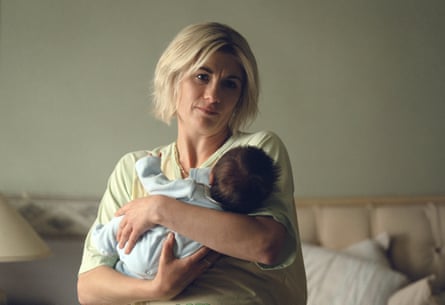
Despite the BBC still leading the nominations (with 73), Davie’s presumed successor, Matt Brittin, will inherit concern that none of this year’s Bafta-nominated dramas most vividly depicting modern Britain – Adolescence and Toxic Town (Netflix) and Trespasses (Channel 4) – was made by the British Broadcasting Corporation, which arguably exists largely to do that. The success of streamers in particular at making UK-based content is becoming one of the BBC’s biggest problems. As Brittin previously worked at Google, the policy of the BBC board in relation to punishing competition from the digital giants seems to be: if you can’t beat them, get one to join.
However, the 2026 ceremonies – Craft awards on 26 April, TV Awards on 10 May – seem likely to be dominated by a long delayed deluge of statuettes for Adolescence.
After a second catch-up jamboree in two years, it must be a relief to the organisers that, almost a third of the way through 2026, there may have been a few things likely to enthuse the 2027 juries – Channel 4’s Dirty Business, BBC Two’s Small Prophets, Louis Theroux’s Inside the Manosphere for Netflix, the performances of David Morrissey and Emma Appleton in ITV’s Gone – but nothing as dominant as Mr Bates vs The Post Office or Adolescence. What the Bafta awards badly needs is some late summer and autumn hits.



 English (US)