
 4 hours ago
3
4 hours ago
3

Your mattress is not just furniture, it’s family. You drool and sweat into it for hours, have sex on it, and shed millions of dead skin cells into it every night. It shares your DNA. Romantic or disgusting? Either way, that thing needs a wash.
Sticking a mattress in the washing machine is clearly about as feasible as putting the car in the dishwasher, but at least you can hose a car down and leave it to dry in the sun. With a mattress, especially one that contains foam (like most of the mattresses I’ve reviewed for the Filter), care, patience and a little bit of ingenuity are required when cleaning, or you could end up damaging it.
I’ve cleaned a fair few mattresses in my time, mainly before sending test samples to charity, but I’m never quite sure I’m doing it right. So for this article, I asked more than a dozen bedding and cleaning experts for their mattress-invigorating hacks and rules. Here I’ll share their best advice, including the secret power of shaving foam and vinegar, and why you must never vacuum wool.
How to clean a mattress
Dust mite poo and other reasons to clean your mattress
Your dirty mattress probably won’t kill you unless it falls on you from a height. The trouble starts when you let the dirt build up so much that it invites mould, triggers allergies and shortens the lifespan of the mattress. According to the experts I spoke to, you can avoid this by giving it a clean every six months.
The grime is mostly the sheddings of your own body. You unload a cocktail of sweat, oils and dead skin cells as you sleep. If you tend to sweat a lot, or if you experience night sweats caused by stress, menopause or medication, then you may be sweating up to a litre a night on to your poor bed.
Much of this dreck is absorbed by your bedding, but the rest leeches into your mattress, creating a warm, moist feast for bacteria, mould and dust mites. Depending on who you believe, the average mattress contains between 1.5 million and 10 million dust mites, and they’re a major allergy trigger.
“Most allergens will lead to nasal symptoms such as rhinorrhoea, sneezing and a blocked nose,” says Dr José Costa, senior allergy consultant at the Children’s Allergy Clinic. “House dust mites are one of the main reasons for the development of allergic asthma, which can lead to constant asthma and chronic illnesses in later life.”
In defence of dust mites, they’re not the problem – their poo is. “It’s often not the mite itself, but proteins in their droppings which cause the allergy,” says Allergy UK. “Each mite produces about 20 of these waste droppings every day, and the droppings continue to cause allergic symptoms even after the mite has died.”
Step 1: tackle grubby bedding and surface gunk
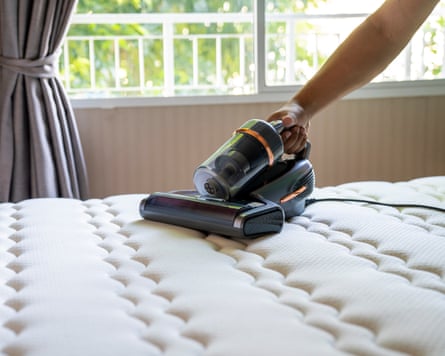
First, strip your bed back to the mattress. Wash your sheets, pillowcases and mattress protector at 40C, or 60C if their labels allow it. If you’ve spent the chilly months sweating into an electric blanket, unplug it and wash it as hot as its instructions allow. Your actual duvet and pillows need washing, too – in the machine if possible, or at the dry cleaner if not.
“I recommend starting with what I call a ‘bare mattress reset’,” says Abby Woodvine, interiors expert at Happy Beds. “Bedding can hold on to sweat, dust and everyday buildup, so giving everything a proper wash at the same time helps create a much fresher sleep space overall.”
Let your mattress enjoy some air while it’s stripped, says Woodvine. “If you can, open the windows or leave the mattress exposed while the bedding is in the wash. Even a little bit of airflow can help release trapped moisture and keep things smelling fresh.”
Next, vacuum your bed. “It’s really worth taking a little extra time around the seams and edges, as that’s where dust and debris tend to gather the most,” says Woodvine. “Use your vacuum’s crevice attachment along the stitching and corners. This helps to lift dirt that often settles into those tighter spaces.”
“Make sure your vacuum and attachments are clean,” says Hannah Shore, sleep scientist at Mattress Online. “Start with small sections, paying close attention to areas where dust can build up. Remember to also vacuum under your bed and down the sides.”
Lay off the vacuum if you have a wool mattress, though. The Simba Hybrid Pro, Millbrook Wool Luxury 4000 and Woolroom Standen Wool all contain upper layers of wool and other natural fibres, and these can be damaged by a vacuum cleaner. “Vacuuming your mattress may actually do more harm than good, because high suction can shift the fillings inside,” says Woolroom’s managing director Chris Tattersall. “Mattresses with natural fillings respond best to low-intervention routines like airing, rotation and targeted spot cleaning, [which are] better for preserving the integrity and extending the lifespan of the mattress.”
“Even gentle suction can disturb the way natural fillings lie under the sleep surface, leading to lumps and bumps,” says Adam Black, co-founder of Button & Sprung. “A soft brush is a better alternative.”
Step 2: banish bad smells with baking soda
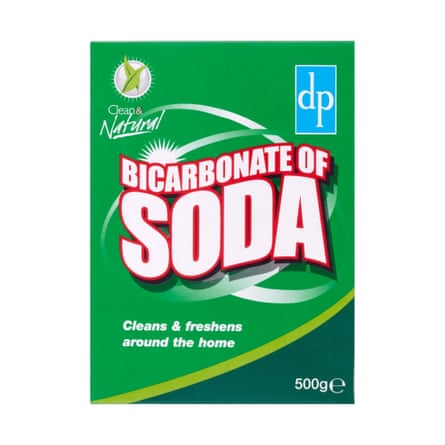
Dri-Pak bicarbonate of soda, 500g
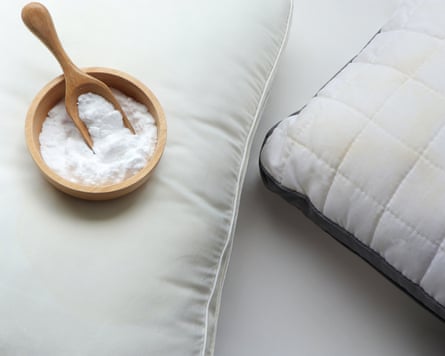
Most of the experts I spoke to mentioned baking soda (that’s bicarbonate of soda – not baking powder) as a mattress-cleaning essential, especially when tackling moisture and nasty whiffs.
Sprinkling soda all over the surface of your brushed or vacuumed mattress “works absolute magic to naturally absorb odours and moisture,” says Catherine Green of sustainable cleaning brand Smol. “Leave it for a few hours, or overnight if you can, before vacuuming it all up.” Or brushing it away, if your mattress can’t be vacuumed. Never be tempted to rub the soda in with a brush, because this can damage the surface fibres and make it more susceptible to staining.
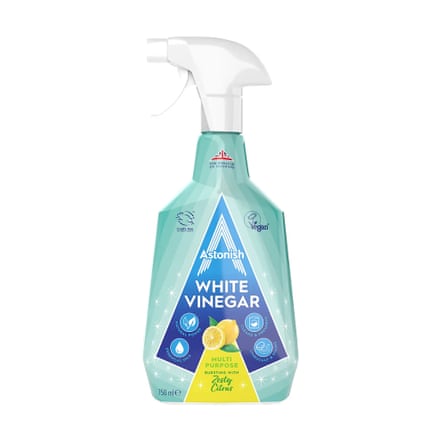
Astonish white vinegar
If your mattress remains pongy after the baking soda treatment, go back to the kitchen cupboard. “A light spray of diluted white vinegar followed by a layer of baking soda can lift stubborn odours without introducing too much moisture,” says Suzanne Hayes, founder of Headboards & Interiors. “Light alcohol-based sprays can also help remove odour-causing bacteria without soaking the mattress.”
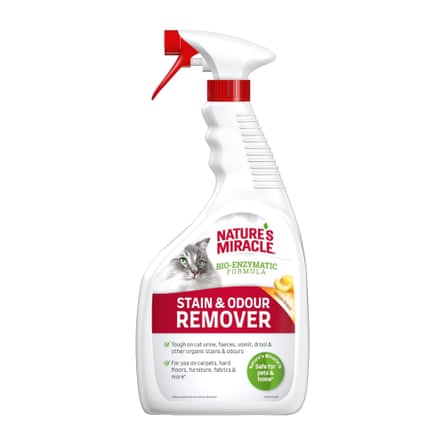
Nature’s Miracle enzyme spray, 946ml
Hayes also recommends using an enzyme spray. “These are often used for pet stains, and they work well because they break down the proteins in sweat and body oils that cause persistent smells.”
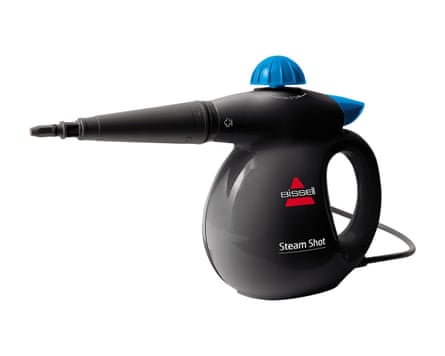
The Filter’s favourite budget handheld steam cleaner: Bissell SteamShot
“You can also use a steam cleaner on your mattress to provide deep-down freshness,” says Catherine Green. “Don’t steam clean memory foam mattresses, though, as the heat and moisture can permanently damage the sensitive material.”
Step 3: deal with spills and stains
Moisture inside a mattress can lead to persistent mould, so if there’s been a bed-wetting accident or breakfast-in-bed mishap, mop up as much liquid as possible using a dry, clean sponge. If there’s no discoloration, leave it alone and let it dry completely. Otherwise, a little soapy water may be in order – but only a little.
“Don’t be tempted to soak the mattress with water or cleaning liquid,” says Erin Parker, buyer at Dreams. “Excess moisture can be difficult to dry, especially in cooler weather, and this can lead to unpleasant odours and even mould. Instead, blot spills quickly with a clean cloth and a little warm, soapy water.”
Recent blood, sweat or urine stains can be tackled by dabbing the surface with a mild detergent solution, says Heather Nixon, sustainability manager at cleaning brand Bio-D. “Mix one part laundry liquid with four parts warm water, then lightly dampen a clean cloth and blot the stained area, working from the outside in. Rinse it using a different cloth and clean water, making sure not to soak the mattress.”
Sealy’s sleep expert Alison Jones prefers a soap-free approach. “You can treat stains with a combination of baking soda, salt, lemon juice and water, which form a paste when mixed together. Let it sit for roughly 30 minutes, then wipe it away with a damp cloth. Using natural cleaning products and solutions, most of which you can find in your kitchen already, is best for protecting the fibres and materials used in most mattresses.”
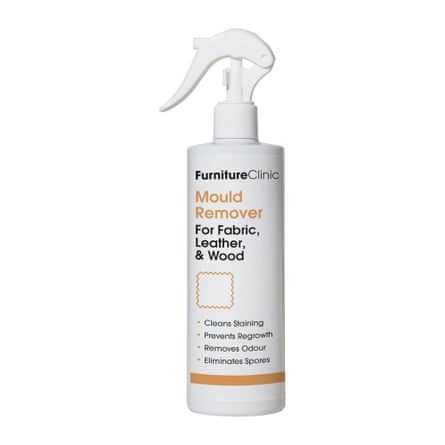
Furniture Clinic mould remover spray, 500ml
Mould may need a tougher approach, such as a dedicated mould remover or a solution of bleach and water. Just make sure to do a patch test first, and ideally use a mould remover specifically designed for fabric rather than bathrooms. Household mould is so insidious that it’s commonly described as the “asbestos of the 21st century”. If you can’t clean it off, a replacement mattress may be in order.
… but don’t clean foam with water
Memory foam mattresses don’t like water. Foam is highly porous, so it tends to hold on to sweat and odours – but using water to clean it will just make the problem worse. Any moisture that gets trapped inside can take so long to dry out that it may damage the foam, and even allow mould to take hold.
This is why the warranties for foam-containing hybrids such as the Otty Original Hybrid and Simba Hybrid Pro ban “abnormal care such as liquid spillage”, to quote Otty. Otty’s after-care page warns: “do not get the mattress excessively wet, as this will damage the foam and could void the warranty.”
“Moisture trapped inside foam can affect its structure, create lingering odours and even lead to deterioration from within,” explains Otty’s founder, Michal Szlas. “If it can’t dry properly, you may not notice the damage until your comfort has already been compromised.”
Szlas recommends gentle spot-cleaning, but Suzanne Hayes has a more intriguing suggestion. “One simple trick [for memory foam] is to use plain shaving foam to treat small stains. Shaving foam is light and airy, so it contains much less liquid than most cleaning products, which makes it a good option for memory foam. Apply a small amount to the stained area, let it sit for about 10-15 minutes, then gently blot it away with a slightly damp cloth. It can be surprisingly effective for lifting marks.”
Step 4: let it dry, then let it dry some more

Your mattress must be completely dry before you even think about sleeping on it. If there’s any moisture left in it after cleaning, your sleeping body will prevent it from evaporating fully, and the result will be a smelly bed – or even a mouldy one.
It’s also wise to leave your mattress completely stripped until it’s bone dry. “Mattresses hold on to moisture, so it’s really important to let them dry completely before making the bed again,” says Abby Woodvine. “Taking that extra time helps prevent musty smells and keeps the mattress feeling fresh.”
“Prop up your mattress vertically if possible, and let it air-dry in a sunny, well-ventilated room,” says Heather Nixon. “You could use a fan to speed up drying. Don’t replace sheets until the mattress is completely dry to the touch.”
Your mattress will have the best chance of drying completely if you can leave it stripped and propped up for 48 hours. Having a spare bed to sleep in will obviously help. Bonus points if you can prop your mattress in direct sunlight on a sunny day, because UV light kills dust mites and mould spores – just as long as you don’t let it get covered in pollen and other outdoor allergens.
How often should you clean your mattress?
“Give your mattress a deep clean every six months or so to remove any dirt and dead skin that accumulates, and to prevent dust mites,” says Alison Jones of Sealy. “I’d also recommend regular checks when changing your sheets, so you find areas that need immediate spot-cleaning to avoid stains and odours.”
Verity Kick of specialist bed supplier Oak Tree Mobility recommends: “once or twice a year, as a rule of thumb, although sometimes you’ll need to do it more, depending on lifestyles or health conditions. If you smoke, own a pet or don’t use a mattress protector, you may even need to clean it every one or two months.” The same goes if you suffer from allergies, asthma or frequent night sweats, or if you’re on bed rest due to chronic illness or injury.
How can you stop your mattress from getting so dirty?
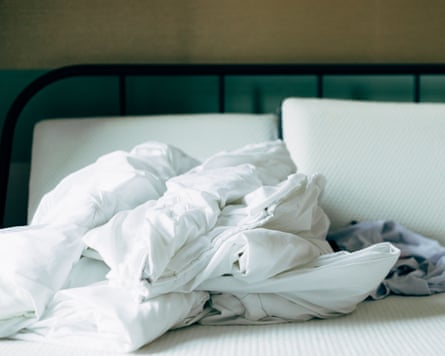
The best way to keep your mattress clean is to keep everything that comes into contact with it clean. Most of the experts I spoke to recommended washing your bedding once a week, especially when the weather’s warm. Always make sure it’s dry before putting it back on the mattress, otherwise you risk starting the moisture cycle all over again or even causing mould. Invest in a few spare sets, so you always have a clean, dry one ready.
Don’t skimp on making your bed in the morning, either, says Alison Jones. “This stretches out the bedding, exposing dust mites to daylight and clean air and allowing them to dry out and die. When bedding is left in a ball, it traps the warmth and moisture, providing an environment in which dust mites will thrive. Not only this, but it will also eventually leave a stale smell on your bed.”
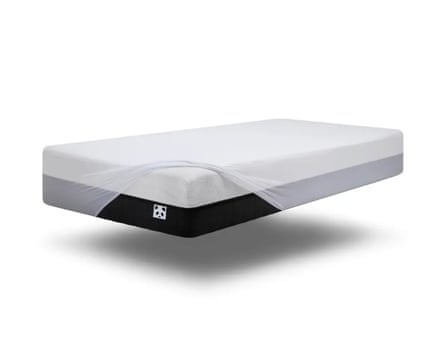
Bamboo mattress protector, double
A mattress protector is a must, and it’s a good idea to have at least one spare. “Mattress protectors help to decrease exposure [to allergens] by creating a physical barrier against dust mites, and anti-allergy bedding contains materials that inhibit growth,” says Dr José Costa. “But the most important thing is to keep the mattress and bedding clean and dry to avoid the moisture that dust mites thrive on.” A zip-off washable cover, as featured on many foam-containing mattresses, is a useful extra washable barrier – especially given that you shouldn’t clean memory foam with water.
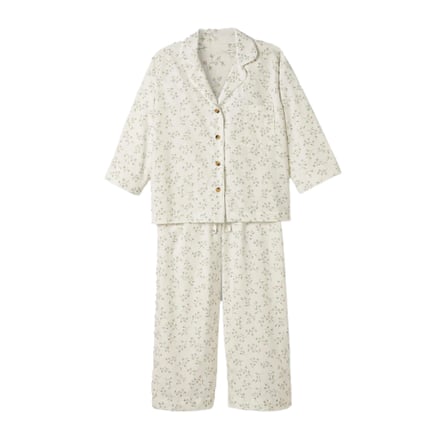
Women’s cotton pyjamas
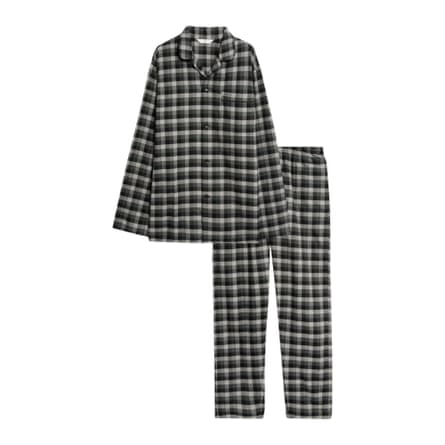
Men’s cotton pyjamas
You could also try to be less sweaty, no offence. Bedding and pyjamas made from natural fibres such as cotton, wool, silk or bamboo are excellent natural temperature-regulators, so they can help to keep you cool and dry as you sleep, even on warmer nights. In addition, these fabrics don’t hold on to sweat in the same way as synthetic fibres such as polyester, which tend to trap heat and moisture, with whiffy results for you and your mattress.








 English (US)